
Mastering the Craft: A Comprehensive Guide to Lathes and Lathe Uses
Lathes stand as stalwart companions in the world of machining, enabling the transformation of raw materials into precision-engineered components. In this comprehensive guide, we delve into the intricacies of lathes, exploring their types, what lathes are used for, and the advantages of choosing used lathes for your machining needs.
Understanding Lathes
Lathes Defined:
At its core, a lathe is a machining tool designed for shaping materials through the rotation of a workpiece against various cutting tools. This fundamental process is pivotal in crafting cylindrical, conical, or intricate geometrical shapes. To truly understand what a lathe is, one must know the primary varieties.
Types of Lathes:
Engine Lathes: This versatile type is a cornerstone in machining, capable of handling a variety of tasks. Engine lathes are fundamental in creating cylindrical shapes and threading.
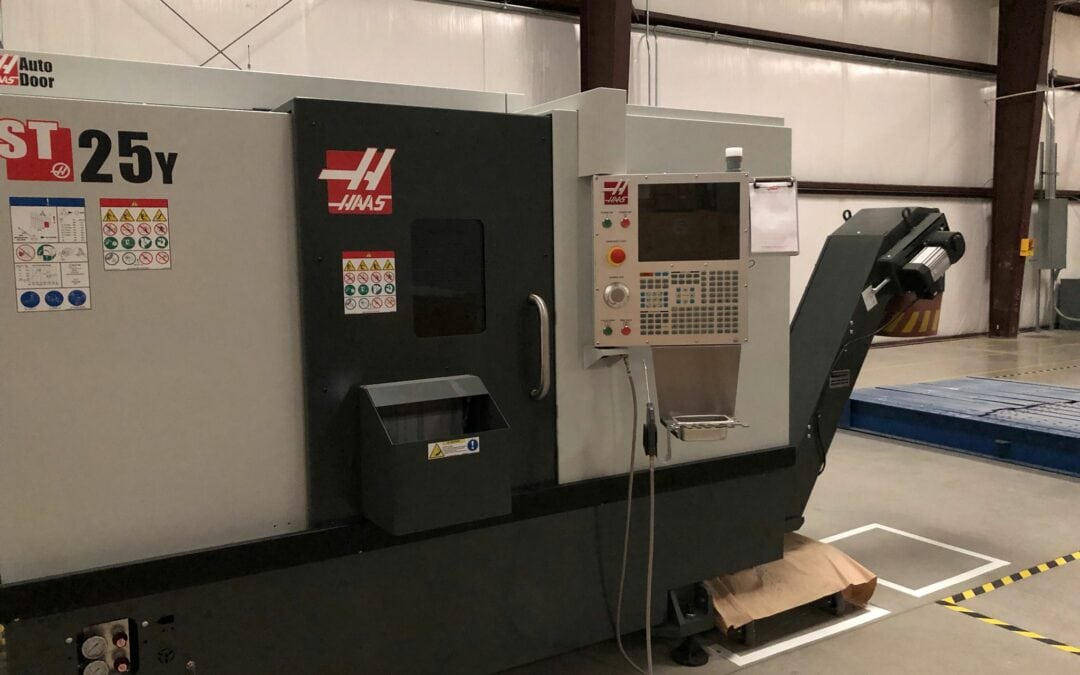
CNC Lathes: Computer Numerical Control (CNC) lathes bring automation to the forefront. Controlled by computers, they offer precision and the ability to produce complex parts with minimal manual intervention.
Swiss Lathes: Renowned for their precision, Swiss lathes excel in creating small, intricate components. They feature a sliding headstock and guide bushing for enhanced accuracy.
Vertical Turret Lathes (VTL): Suited for larger workpieces, VTLs have a vertical orientation. Tasks like facing, turning, and boring are often what these lathes are used for.
Multi-Axis Lathes: This type of lathe has the capability to move in multiple directions simultaneously, making it ideal for intricate and complex machining lathe uses.
Key Components of Lathes:
Bed: This is the solid, usually cast iron, backbone that keeps everything aligned and absorbs cutting forces. All major parts of the lathe are mounted to the bed, making it the foundation that determines the machine’s rigidity and the maximum size of material you can work with. The distance from the main spindle to the bed tells you the largest diameter you can turn.
Headstock and Tailstock: The headstock spins your stock via its spindle; the tailstock slides in place for drilling, reaming, or extra support on long bars. Orient the headstock on the left and the tailstock on the right. If it’s reversed, you might be on the wrong side of the machine. The headstock houses the main spindle and is the business end where power from the motor (usually mounted underneath or behind the headstock) gets transferred to your workpiece. The tailstock is adjustable and can often be removed entirely when not needed, but always make adjustments with the machine switched off.
Carriage: This assembly rides along the bed and is what a lathe needs to guide your toolholder precisely in and out of the workpiece. It provides smooth, controlled movement for both manual and automated cutting operations.
Chuck and Collet: Chucks secure the workpiece, while collets offer a more secure grip for cylindrical objects. The main spindle, usually hollow and threaded on the outside, can accept a variety of attachments like centers, chucks, faceplates, and more, allowing for different holding methods and versatility with workpiece shapes.
Tool Rest: Positioned on the carriage, the tool rest provides support for cutting tools, ensuring accurate and controlled machining. You can adjust the toolrest for height and angle, but always make sure the machine is stopped before loosening or repositioning it, then double-check it’s locked before resuming work.
Attachments and Accessories: Beyond the basics, you’ll find a range of useful add-ons for the lathe. These include faceplates for holding irregular shapes, specialty centers, and even custom fixtures for unique projects. The ability to swap out attachments on the spindle or tailstock gives the lathe its reputation as the workshop’s most flexible tool.
What Powers a Lathe? Types of Motors Explained
When it comes to bringing a lathe to life, the motor is the driving force behind the machine’s capability and versatility. Not all lathes rely on the same type of motor. Each power source offers unique advantages tailored to specific machining needs. Here’s a closer look at common motor options:
- Electric Motors: The most prevalent choice, electric motors, often AC or DC, are prized for their reliability, efficiency, and straightforward speed control. Whether it’s a traditional single-phase motor for smaller manual lathes or an industrial-grade three-phase setup for CNC and production machines, electric motors remain the workhorse of most modern lathes.
- Hydraulic Motors: For applications demanding smooth, high-torque rotation—particularly at low speeds—hydraulic motors offer a compelling solution. These motors excel in heavy-duty operations, providing steady, controlled movement for larger or specialized lathes.
- Pneumatic Motors: While less common, some compact or specialized lathes use compressed air to drive their components. Pneumatic motors are often found in lightweight, portable setups where electrical power may be impractical.
When selecting a lathe, consider the type of motor that matches your workflow, power availability, and the materials you’ll be machining. The right motor ensures consistent performance, precision, and efficiency across your lathe operations.
How to Properly Set Up Lathe Orientation
Correct orientation is crucial for both safe operation and effective machining with a lathe. When facing your machine, the headstock (the powerhouse of the lathe) should be positioned on your left. This is the hub where rotation begins, as it houses the main spindle and connects to the drive motor (most often electric, but sometimes hydraulic). Opposite the headstock, on your right, you’ll find the tailstock. The tailstock provides essential support, especially for longer workpieces or when tasks like drilling come into play.
To ensure proper setup:
- Stand with your left side nearest the headstock and right side nearest the tailstock.
- Confirm that the work area is clear and you have free access to both ends for tool adjustments and material changes.
- The lathe motor is typically located beneath the bed, situated near or within the headstock assembly.
This configuration not only promotes ergonomic workflow but also adheres to standard operational practices found in shops worldwide from small prototyping studios to large-scale manufacturers like Haas or Mazak. Proper orientation helps ensure your projects are completed smoothly, efficiently, and, above all, safely.
Pre-Operation Safety Checks
Before engaging the lathe, it’s essential to conduct a thorough inspection of all safety shields and guards. Confirm that each component is securely in place and free from damage or misalignment. If you notice any issues, whether it’s a missing guard or a shield that doesn’t fit properly, take immediate action by marking the equipment as “Out of Service” and notifying your team. This ensures the safety of everyone in the workshop and prevents accidents that could be avoided with a simple pre-check.
By making these safety checks a routine part of your setup, you not only protect yourself but also uphold best practices for anyone using the machinery after you.
Lathe Safety Precautions
Operating a lathe requires more than technical know-how; it demands diligent attention to safety at every turn. To ensure both effective and incident-free machining, it’s essential to follow established safety protocols.
Personal Protective Equipment
Begin with the basics: always wear safety glasses with side shields or a full face shield to protect against flying chips and debris. Secure long hair, tuck away dangling jewelry, remove watches, and avoid loose clothing, as these can easily become entangled in spinning components.
Machine Guards and Shields
Before each use, inspect the lathe’s guards and shields. Make certain all protective covers are correctly installed and functioning. If you discover any maintenance issues or missing shields, tag the machine clearly using signs such as “Out of Service” to prevent accidental operation.
Tool Maintenance
Sharp tools are safer tools. Confirm that all cutting tools are undamaged and properly sharpened before beginning any operation. Dull, chipped, or incorrectly set tools can lead to unpredictable machine behavior and compromised results.
Safe Operation Practices
Never attempt to adjust tools, fixtures, or the workpiece while the lathe is in motion. Always bring the spindle to a complete stop before making any changes. For more involved adjustments or repairs, disconnect the lathe from its power source entirely.
Leverage Experience and Training
Lastly, if you are new to lathes or unsure about a procedure, seek guidance from an experienced machinist or a professional facility. Many respected institutions offer guidelines and training resources. Partnering with a knowledgeable shop can not only help prevent injuries but also improve machining outcomes.
The Importance of Sharp Lathe Tools
Keeping your lathe tools sharp isn’t just a matter of craftsmanship, it’s essential for both performance and safety. A sharp cutting edge ensures cleaner cuts, reduces heat build-up, and prolongs the life of both your tools and the machine itself. Dull tools, on the other hand, require more force, increase the risk of slips or chatter, and can lead to damaged workpieces or even serious accidents.
Before starting any operation, always inspect your tooling. Sharpen or replace blades and inserts as needed, and label any damaged tools for repair. This attention to detail preserves the precision that lathes are known for and keeps your projects on track, whether you’re shaping steel shafts or intricate aluminum fittings.
Personal Protective Equipment for Safe Lathe Operation
When working with lathes, safety comes first and the right personal protective equipment (PPE) is non-negotiable. Before you so much as touch the start button, make sure you’re properly outfitted:
- Safety Glasses or Face Shield: Always shield your eyes from flying chips and debris with safety glasses that have side protection or, better yet, a full face shield for added coverage.
- Fitted Clothing: Long hair should be securely tied back, and long sleeves rolled up neatly. Loose clothing is a recipe for disaster around spinning machinery.
- Jewelry-Free Zone: Remove all rings, watches, bracelets, and never wear gloves near a lathe. These items can catch in the moving parts and quickly create severe hazards.
A bit of preparation with the appropriate PPE ensures you’ll stay safe and keep your focus on achieving those perfect tolerances, not avoiding mishaps.
Benefits of Using Lathes:
Versatility: From producing smooth shafts to sculpting intricate grooves, a lathe adapts to countless tasks with the right tooling. In fact, a lathe is a shaper, cutter, sander, and deformer all in one. With the right attachments, it can take on specialty jobs that go far beyond basic turning making it one of the most adaptable tools in any workshop.
Precision and Accuracy: Modern lathes, especially CNC variants, offer exceptional precision and accuracy. This precision is a key component of what a lathe is as it’s vital for parts that must match perfectly. In fact, a lathe is a shaper, cutter, sander, and deformer all in one. With the right attachments, it can take on specialty jobs that go far beyond basic turning—making it one of the most adaptable tools in any workshop.
Efficiency: Many types of lathes excel at automating repetitive cuts or swapping tools quickly, keeping cycle times short, productivity high, and errors rare. Whether you’re running a single prototype or a full production batch, lathes are built to save time and effort while delivering consistent results.
Customization: What lathes are used for? With their flexible customization, a lot! By changing toolbits, speeds, and feeds, you can customize your machine to suit any spec, greatly expanding lathe use range. This flexibility means you can move from turning wood to metal, or from rough shaping to fine detailing, all with the same core piece of equipment. In short, a lathe is an essential piece of both metalworking and woodworking equipment and one of the most versatile tools you’ll find in any shop.
The Value of Used Lathes:
Cost-Efficiency: Investing in used lathes is simply cost-effective. The initial depreciation is often absorbed, offering substantial savings compared to new equipment.
Proven Reliability: Used lathes provide a level of reliability validated through years of successful operation. A proven track record shows what a lathe is capable of.
Diverse Options: The used lathe market offers a diverse range of options, allowing businesses to choose a machine that aligns precisely with their requirements. This variety caters to different budgets and operational needs.
Choosing the Right Lathe for Your Shop
Finding that perfect machine involves balancing critical factors:
- Evaluating uses – be brutally honest about your workload. Those one-off custom jobs might make a basic engine lathe with good DROs more practical than a fancy CNC gathering dust between programming runs. Simply put, know your work and what your lathes are used for.
- Space constraints – An obnoxious obstacle blocking workflow is not what a lathe is, or at least, it shouldn’t be. That impressive vertical turret lathe becomes a costly obstruction if workers constantly detour around it. Measure your desired type of lathe and facility space, including:
- Standing zones
- Staging areas
- Tool-storage access
- Maintenance clearance
- Crucial specs to verify – Often-overlooked specifications frequently cause buyer’s remorse:
- Spindle bore diameter can limit stock that feeds through the headstock
- Cross-slide travel determines maximum turning diameter
- Bed length between centers restricts workpiece length
- Thread-cutting capabilities are particularly important for repair shops that use lathes
- Power requirements – Certain lathes may demand three-phase wiring your building simply can’t support without costly upgrades. Without assessing energy constraints, huge energy investments is what a lathe may lead too. Sometimes the slightly pricier single-phase compatible machine saves money by avoiding electrical headaches.
Typical Lathe Applications by Industry
Lathes, often hailed as the “mother of machining tools,” are the backbone of countless workshops thanks to their unmatched versatility. Whether shaping, drilling, sanding, knurling, turning, cutting, or deforming materials, lathes serve as the go-to solution for precision work across multiple sectors. If you need a tool capable of precision cutting and shaping and the flexibility to function as several tools in one, a lathe is likely the linchpin your project requires.
Different sectors gravitate towards specific lathe configurations. Here are some key industries and their lathe profiles:
- Metal Fabrication Shops
- Primary uses: Repair shafts, bushings, spacers
- Preferred machines: Rugged engine lathes with minimal electronics
- Key Features: Quick-change toolposts, sturdy compound rests
- Aerospace Contractors
- Primary uses: Complex turbine components and lightweight structural parts are often what lathes are used for
- Preferred machines: Multi-axis setups with live tooling capabilities
- Key Features: Exceptional vibration dampening, thermal stability
- Oil/Gas Equipment Manufacturers
- Primary uses: Wellhead components and valve bodies from massive forgings are a lathe’s primary uses in this field
- Preferred machines: Heavy-duty vertical turret lathes
- Key Features: Extreme rigidity, heavy-duty chip evacuation systems
- Medical Device Makers
- Primary uses: Bone screws, surgical implements from exotic materials
- Preferred machines: Swiss sliding headstock lathes and similar types of lathes
- Key Features: Precision collet systems preventing deflection
Lathes are indispensable for teams requiring a versatile piece of equipment that can replace several single-purpose tools. Their adaptability and efficiency explain why industries from small fabrication shops to aerospace giants rely on them as a foundation for their most critical work.
Maintenance and Longevity Hacks
A little maintenance can go a long way in improving the functionality and longevity of lathe use. For instance, shop veterans swear by daily wipedowns of ways and slides using quality oil. This simple habit prevents microscopic chips from embedding into sliding surfaces, extending machine life dramatically.
Organization is what a lathe, or any equipment, needs for longevity too. Create basic maintenance logs tracking headstock oils changes and way adjustments. The most reliable shops replace consumables preventatively rather than waiting for catastrophic failures during tight-deadline jobs.
Develop relationships with experienced maintenance technicians willing to perform occasional inspections. Experienced eyes catch developing issues before they become expensive disasters, and hands-on knowledge often surpasses factory service reps who may have never actually operated production equipment.
Why Powering Down Matters
Flipping the switch before you reach for a wrench isn’t just a best practice—it’s crucial to staying safe and keeping your investment spinning true. Whether you’re tempted to nudge a workpiece or fine-tune a toolpost, adjusting anything on a running lathe can lead to finger-pinching close calls, flying debris, and catastrophic snags. If you’re prepping for maintenance, always disconnect the power at the source. This habit not only shields operators from accidental start-ups but also protects your gears, lead screws, and electrical components from avoidable mishaps.
Veteran machinists and OSHA advisories agree: always cut the power and let all motion stop before approaching any lathe for adjustments or repairs. It only takes a second, but it could save you hours of downtime—or worse.
Final Thoughts
What are lathes used for? Lathes sit at the heart of precision manufacturing, enabling fabricators to transform raw stock into finely-tuned parts. By getting to know what a lathe is capable of, from the hands-on control of an engine lathe to the automated finesse of a CNC setup, you unlock new levels of accuracy and efficiency. And when you choose a well-maintained, pre-owned machine, you tap into the advantages of proven, reliable lathe use without the steep price tag of a factory-fresh unit.
Partnering with Revelation Machinery
When it comes to used lathe machines for sale, we stock every type of lathe, from basic engine lathes to advanced multi-axis and Swiss-style models. You can rest assured that every lathe is thoroughly inspected by industry professionals – and hopefully now, you have a better idea of what lathe is a good fit for your shop. If you need guidance selecting the right lathe or want to discuss how to sell your own used lathes, you can contact our specialists anytime. See how easy it is to upgrade your capabilities with quality used lathes from Revelation Machinery.
Interested in learning more about lathe machines? Discover everything you need to know about each type of lathe with comprehensive guides on: