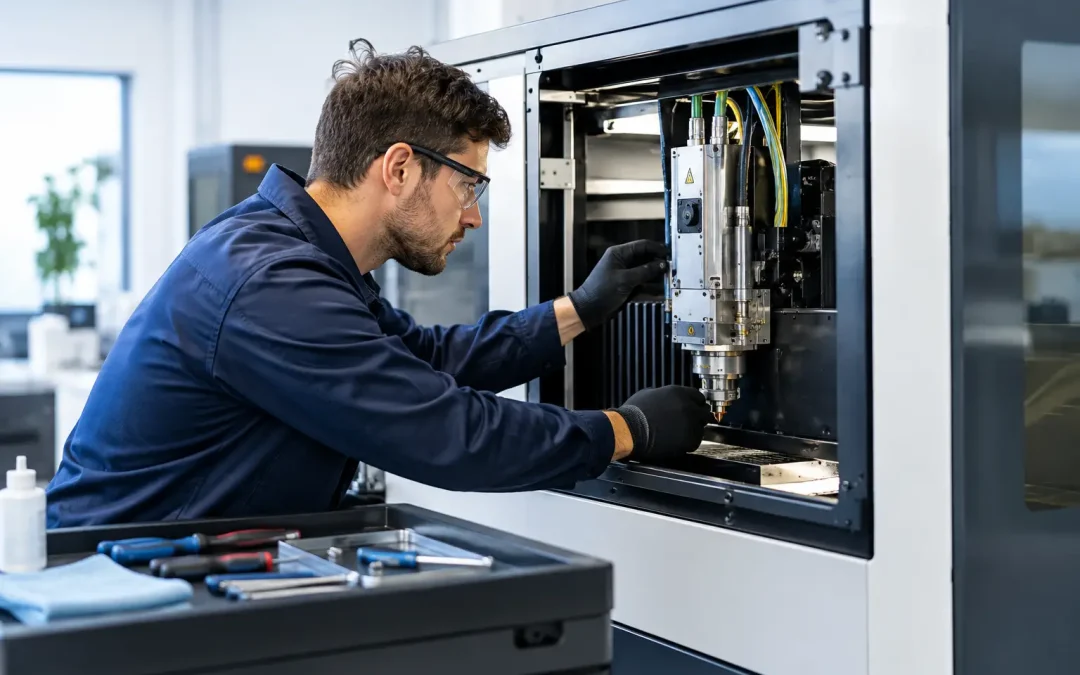
A fiber laser that starts leaving dross on otherwise routine parts is rarely giving a random warning. It is usually signaling a maintenance issue: contaminated optics, declining assist-gas quality, a worn nozzle, poor chiller performance, or a setup condition that has...
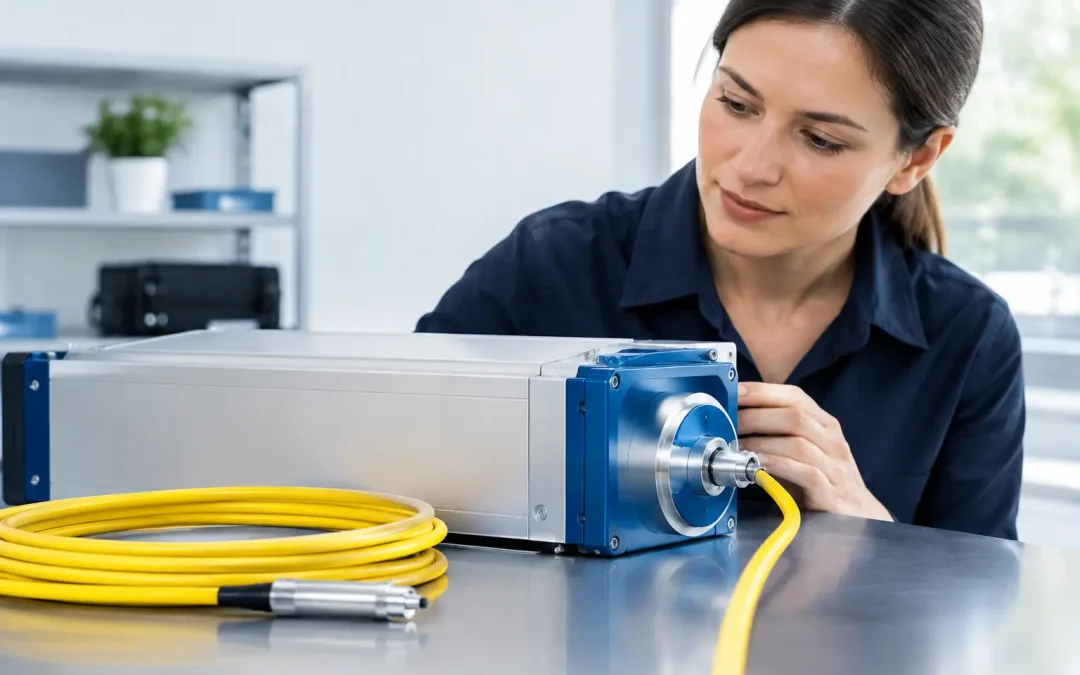
A fiber laser purchase can solve a capacity problem quickly, but the wrong machine can create a more expensive one. A shop that buys based on wattage and asking price alone may discover too late that the bed is undersized, the resonator is nearing a major service...
A used laser versus plasma cutter decision usually comes down to more than purchase price. A fabrication shop may find a plasma table for a fraction of the cost of a comparable laser, but the laser can produce cleaner edges, tighter features, and less secondary work...
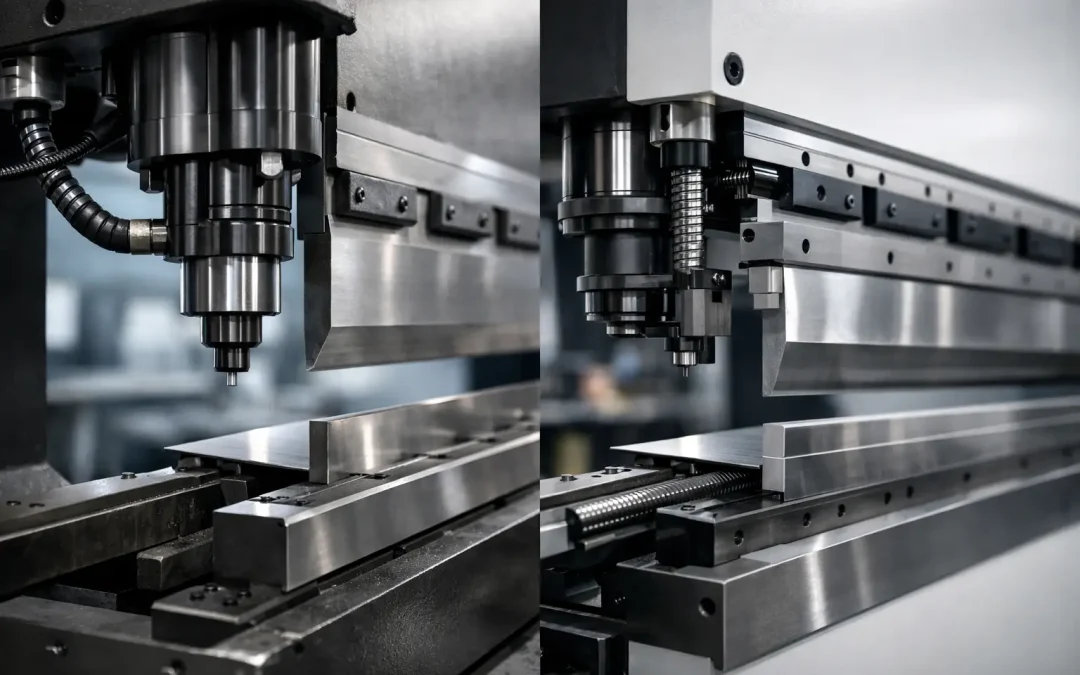
A press brake decision can affect quoting speed, labor requirements, utility costs, and your ability to keep production moving when deadlines tighten. In the hydraulic vs electric press brakes discussion, there is no universal winner. The right machine depends on the...
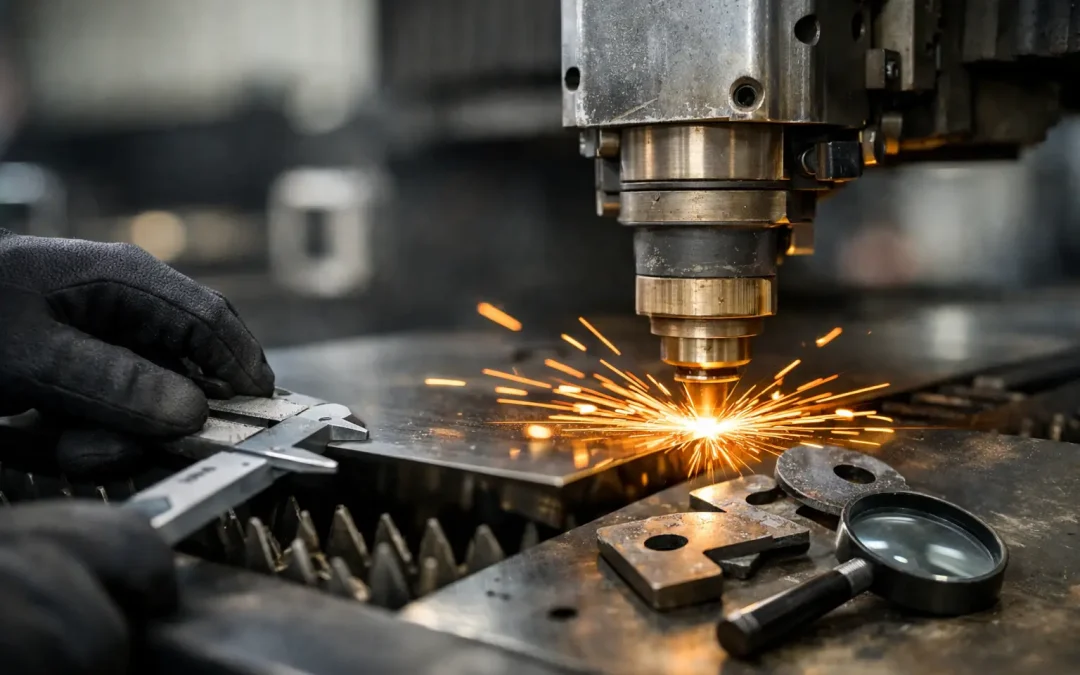
A fiber laser that misses a profile by a few thousandths can turn an otherwise profitable job into a costly source of scrap, rework, and missed delivery dates. So, can used lasers cut accurately? Yes – provided the machine’s laser source, motion system, cutting...
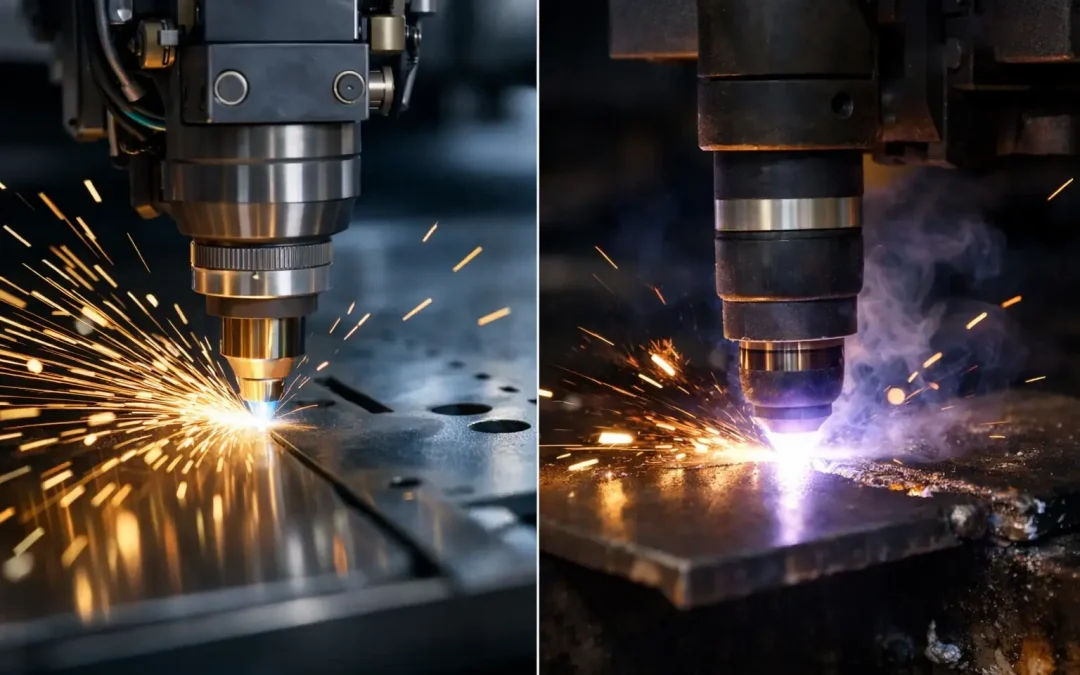
A cutting table that cannot hold tolerance, keep pace with demand, or control operating costs quickly becomes a production bottleneck. The fiber laser vs plasma cutter decision is not simply a question of which machine can cut metal. It is a decision about part...