
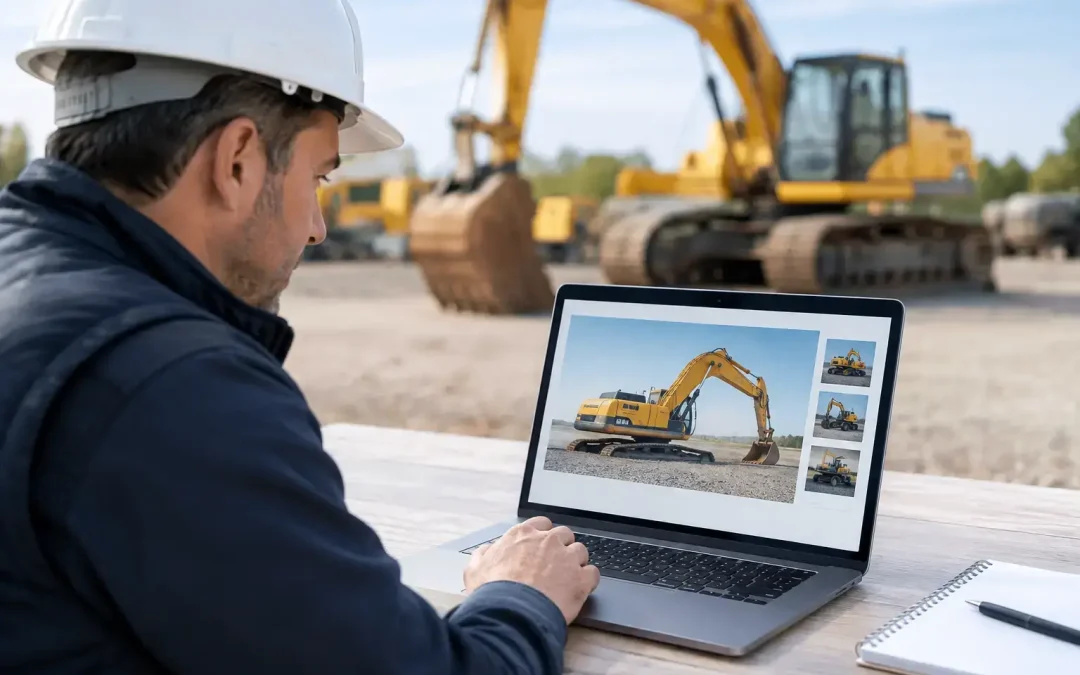
A low opening bid can be appealing, but the number on the screen is only one part of the purchase. A thorough online machinery auction review helps manufacturers determine whether a machine will support production, fit the floor, and deliver real value after buyer premiums, rigging, freight, and any required repairs. The best auction purchase is not simply the lowest-priced machine. It is the one that arrives ready to solve a capacity, capability, or replacement need without creating an expensive operational surprise.
What an Online Machinery Auction Review Should Cover
An online auction gives buyers access to surplus equipment, plant-closure assets, and hard-to-find machinery from across the country. That access can create meaningful savings compared with buying new, especially for established equipment from recognized builders. It also requires a disciplined review process, because auction terms, equipment condition, and removal requirements vary from sale to sale.
Start by looking beyond the listing headline. A machine described as a CNC vertical machining center, press brake, fiber laser, or multi-axis lathe may appear comparable to another unit at first glance. In practice, the year, control generation, hours, options, tooling, maintenance history, and current operating condition can change its value considerably.
A useful review answers four practical questions: Is the machine right for the work? What evidence supports its stated condition? What will it cost to place it in service? Can your team complete payment, removal, transportation, and installation within the auction timeline?
Review the Asset Before Reviewing the Bid
The equipment itself should drive the decision. Before setting a maximum bid, define the production requirement the machine must meet. For a machining center, that may include table size, spindle speed, toolchanger capacity, travels, available axis configuration, and control compatibility. For fabrication equipment, it may include tonnage, bed length, material capacity, laser wattage, automation features, or tooling requirements.
A machine can be a strong value and still be the wrong fit. A buyer expanding a job shop may prioritize immediate throughput and common controls. A plant replacing a critical machine may need a close match to existing programs, fixturing, tooling, and operator experience. If compatibility is uncertain, the apparent discount can disappear quickly through programming changes, electrical work, training, or production delays.
Evaluate the Condition Evidence
Photos are useful, but they do not replace documentation or inspection. Review available images for visible damage, corrosion, missing guards, disconnected wiring, leaks, and signs that the equipment has been idle for an extended period. Look closely at the control screen, nameplate, accessories, electrical cabinet, hydraulic components, and included tooling.
When available, prioritize videos of the machine under power, service records, maintenance logs, alarm history, and details about whether the equipment was recently running in production. Ask whether it can be inspected before the auction closes. A live inspection allows a qualified technician or experienced operator to assess wear, listen for unusual noise, verify major functions, and identify missing components.
Not every auction lot can be fully tested. Equipment from a facility closure may already be disconnected, and some assets are sold as-is, where-is. That does not automatically make the machine a poor purchase. It simply means the bid should reflect the added uncertainty. Buyers should reserve room in the budget for startup work, troubleshooting, parts, or professional evaluation.
Confirm What Is Included
Industrial equipment listings often show items that are not necessarily part of the lot. Verify whether chucks, toolholders, vises, rotary tables, bar feeders, automation cells, dust collectors, transformers, manuals, and spare parts are included. Also confirm whether software, licenses, and proprietary accessories transfer with the machine.
These details matter. A machine with the right options and a complete tooling package may justify a higher bid than a similar bare machine. On the other hand, a low-priced unit missing a proprietary component can become difficult or costly to commission.
Calculate the Real Acquisition Cost
A smart online machinery auction review treats the winning bid as one line item, not the final price. Buyer premiums, sales tax where applicable, payment terms, loading charges, rigging, freight, insurance, installation, and commissioning all affect the final number.
For larger machinery, removal logistics deserve special attention. Confirm the equipment dimensions, weight, foundation requirements, and whether it is still connected to utilities. Find out whether the auction company will load the machine, whether a rigger is required, and how quickly the asset must leave the facility. Missed removal deadlines can create storage fees and unnecessary pressure on your team.
Freight is not only about moving the machine from one state to another. A full cost estimate should consider crating or securing, oversized permits if needed, final-mile delivery, unloading, placement, electrical connection, air supply, coolant systems, and startup support. For a high-value CNC or laser, experienced machinery rigging is an investment in protecting the asset.
The right comparison is not auction price versus new-machine price. Compare the fully installed cost against the value of alternative used equipment, direct-sale inventory, repair of the current machine, subcontracting costs, and the production capacity gained. Sometimes an auction creates the best opportunity. Other times, a dealer-supplied machine with inspection support, faster delivery, or a more defined condition profile is the better operational choice.
Assess the Auction Partner and Terms
Auction terms are part of the equipment review. Reputable industrial auction providers make key information easy to find: buyer premium, accepted payment methods, sales tax requirements, inspection times, lot location, removal windows, loading rules, and as-is language.
Look for clear descriptions and responsive answers when questions arise. A professional team should be able to clarify what is known about the asset, explain removal expectations, and help buyers understand the process without making unsupported promises about equipment condition.
Responsiveness matters most when timing is tight. Manufacturing teams often need to act quickly after a breakdown, a new contract award, or a capacity constraint. A partner that can provide straightforward information and coordinate efficiently reduces friction during a transaction that already involves significant capital and logistics.
Revelation Machinery combines nationwide industrial equipment access with hands-on support for buyers and sellers who need to move from evaluation to action quickly. That approach is particularly valuable when a buyer needs help comparing auction equipment against available direct-sale options.
Bid With a Ceiling, Not a Guess
Auction environments can encourage reactive bidding. The best defense is setting a maximum all-in number before the sale begins. Start with the estimated installed value of the machine for your operation, then subtract expected repairs, transport, rigging, buyer premiums, and a reasonable contingency for unknowns.
Do not let a previous bid become a reason to keep bidding. If the price moves beyond the value you established, walk away. Another opportunity will come, and preserving capital for the right machine is better than winning equipment that strains the budget.
Timing also matters. Some buyers prefer to place a bid early to establish interest; others wait until the final period. Either approach can work, depending on auction rules and bid extensions. What matters is monitoring the closing time, understanding whether late bids extend the auction, and having approval authority, payment arrangements, and removal planning ready before the final bid.
A Practical Pre-Bid Checklist
Before bidding, confirm these items with your operations, maintenance, and finance teams:
- The machine meets required production specifications and fits your available floor space.
- The listing, photos, documentation, and inspection findings support the stated condition.
- Included accessories, tooling, software, and attachments are clearly identified.
- Buyer premiums, taxes, rigging, freight, repairs, and installation are included in the budget.
- Payment terms, removal deadlines, loading responsibilities, and transportation plans are confirmed.
When an Auction Is Not the Best Route
Auctions are effective for buyers who can evaluate equipment quickly, accept a defined level of condition risk, and manage logistics within a fixed timeline. They may be less suitable when a shop needs a specific machine configuration immediately, requires extensive pre-purchase testing, or cannot accommodate uncertain removal dates.
In those cases, a direct equipment purchase may offer more control over inspection, delivery timing, configuration, and support. Sellers face a similar decision. An auction can create urgency and broad exposure for surplus assets or a plant closure, while a direct sale or consignment strategy may be better for specialized machinery where the right buyer needs more time to evaluate the asset.
The strongest equipment decisions begin with a clear production need, a documented total cost, and an honest view of risk. When those pieces are in place, an online auction becomes more than a bidding event. It becomes a practical way to add capacity, recover value, and keep the operation moving.