
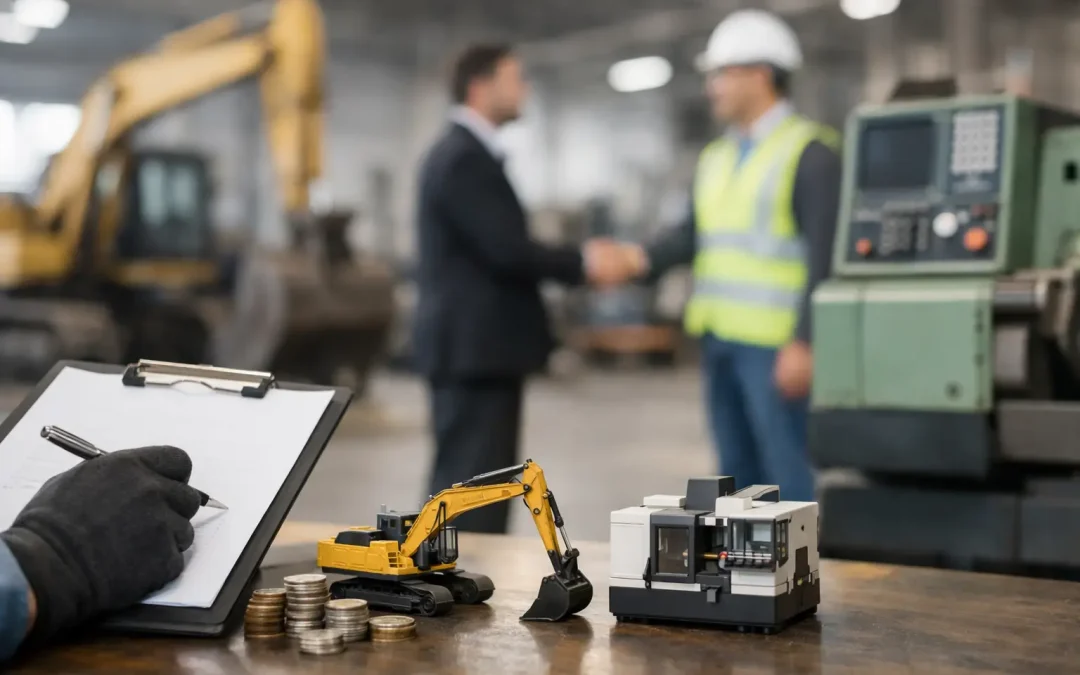
A plant closure, capacity consolidation, or equipment upgrade can put a significant amount of capital on the shop floor all at once. Machinery liquidation is the process of converting those idle or surplus assets into working capital, but the outcome depends on more than posting machines for sale. Equipment condition, market demand, timing, documentation, removal requirements, and sales strategy all influence the final recovery.
For manufacturers, fabricators, and processors, the priority is clear: move assets efficiently without leaving value behind or creating disruption for the operation that remains. A well-managed liquidation gives decision-makers a defined path from asset review to final removal, with visibility into pricing, buyers, and timelines.
When Machinery Liquidation Makes Business Sense
Liquidation is not limited to distressed facilities. It is often a practical decision when a shop is replacing older equipment, centralizing production, eliminating an underperforming product line, or freeing up floor space for higher-value work. A company may have a single CNC lathe that no longer fits its workflow, or it may need to sell an entire facility filled with machining, fabrication, inspection, material handling, and support equipment.
The right approach depends on the size and urgency of the project. A business with time to pursue a targeted buyer may recover more value through a direct sale or consignment arrangement. A facility that must be vacant by a lease deadline may benefit from an online auction or a coordinated bulk asset sale. The objective is not simply to sell fast. It is to select a sales method that matches the equipment, the market, and the operating deadline.
Equipment with active demand – such as vertical machining centers, multi-axis lathes, press brakes, fiber lasers, grinders, and other recognized production assets – often attracts qualified buyers when it is represented accurately. Older or specialized equipment can still have value, but its sales strategy may need to be broader, more price-sensitive, or tied to a larger package of assets.
Start With an Accurate Asset Picture
The quality of a liquidation begins with the information available. Buyers do not need marketing language. They need clear facts that help them assess whether a machine fits their production requirements and budget. Incomplete listings, missing specifications, and uncertainty around machine condition slow buyer confidence and often reduce offers.
A useful asset review identifies the manufacturer, model, year, serial number, control, capacities, tooling, accessories, electrical requirements, maintenance history, and current operating status. Photos and video of a machine under power can be especially valuable for CNC equipment, lasers, press brakes, and other assets where condition is central to the purchase decision.
It also helps to separate primary production equipment from support assets. Tooling, rotary tables, chucks, bar feeders, compressors, forklifts, inspection equipment, dust collection systems, and material handling equipment can represent meaningful value on their own. When these items are overlooked, a liquidation may recover less than the facility actually holds.
Condition should be presented honestly. A machine that is operational but due for maintenance can still be marketable. A machine that is disconnected, incomplete, or in need of repair can also sell when represented correctly. The risk comes from overstating condition, which leads to renegotiations, failed transactions, and delayed removal.
Choose the Sales Method That Fits the Timeline
There is no single best liquidation model for every manufacturer. Direct purchase, consignment, auction, and full facility liquidation each serve a different purpose.
A direct sale is often the fastest route for individual machines or highly marketable equipment. The seller receives a clear offer and can move forward without waiting for a broad buyer campaign. This can be a strong option when cash certainty and speed matter more than pursuing the highest possible price.
Consignment can make sense when the seller has flexibility and wants professional exposure to a larger pool of buyers. The equipment remains available to qualified prospects while an experienced dealer manages marketing, buyer communication, and negotiation. This route may take longer than a direct purchase, but it can be effective for machines with strong resale appeal.
Online auctions are well suited to plant closures, large surplus packages, and time-sensitive projects. They create a defined selling window and can reach buyers across the country. Auctions are particularly useful when the seller needs a firm end date, but they require proper preparation. Cataloging, lot organization, inspections, terms, payment collection, and removal coordination all need to be handled before bidding begins.
A full-service liquidation combines these methods around the needs of the facility. High-demand machines may be marketed directly to targeted buyers, while remaining assets are sold through an auction or other structured process. This approach can balance recovery with speed, especially when a site has a wide range of equipment conditions and values.
Price for the Market, Not the Original Purchase Order
Industrial equipment is a capital asset, but its resale value is not determined by what it cost new or what remains on the depreciation schedule. The current market is shaped by machine age, hours, options, control generation, brand reputation, serviceability, location, and the number of buyers looking for that capability.
For example, two similar machining centers can carry very different values if one has a modern control, fourth-axis capability, documented maintenance, and a recognizable brand, while the other requires a control retrofit or has been idle for years. The same principle applies to fabrication equipment. Tonnage and bed length matter, but tooling packages, backgauge configuration, automation, laser source, and operating condition can materially affect buyer interest.
Pricing too high can cause a machine to sit while market interest fades. Pricing too low may produce a quick transaction but sacrifice recoverable value. A realistic valuation uses current market activity and comparable equipment, then accounts for the specific condition and logistics of the asset being sold.
Logistics Can Make or Break the Transaction
A buyer may agree to the price and still walk away if the removal plan is unclear. Rigging, loading, trucking, utilities, site access, insurance, and removal deadlines must be addressed early, particularly for large CNC machines, press brakes, laser systems, and complete production lines.
Sellers should identify whether equipment is under power, whether it must be disconnected, and what restrictions apply to removal. Some facilities have limited dock access, ceiling-height constraints, union requirements, security procedures, or hard move-out dates. These details are not administrative footnotes. They affect cost, buyer participation, and the ability to close on schedule.
A coordinated partner can help manage the process from equipment evaluation through sale and removal. Revelation Machinery supports manufacturers with nationwide reach, responsive account management, and practical liquidation options built around the realities of operating facilities. The goal is to keep the seller informed while reducing the burden on plant personnel who already have production, staffing, and transition responsibilities to manage.
Common Mistakes That Reduce Recovery
The most expensive liquidation mistakes usually happen before the first buyer sees the equipment. Waiting until a shutdown deadline is weeks away can force unnecessary price reductions. Selling machines one at a time without reviewing the full asset base can leave tooling and support equipment behind. Removing identification plates, manuals, or accessories from machines can make them harder to market and value.
Another frequent issue is assuming every asset should be sold the same way. A late-model fiber laser may deserve a focused direct-sale campaign, while older shop support equipment may be better suited for auction. Grouping every item into one method may be convenient, but it is not always the best way to protect value.
Clear communication also matters. If equipment has known issues, disclose them. If a machine must be removed by a fixed date, state it early. Serious buyers appreciate straight answers, and transparency helps prevent last-minute disputes that can stall a sale.
Build the Plan Before the Equipment Stops Producing
The strongest liquidation results usually come from early planning. Even if a closure or consolidation date is months away, an initial equipment review gives the seller time to document assets, assess marketability, select the best sales channel, and prepare removal logistics. That preparation creates options, and options protect value.
If your operation is retiring equipment or preparing to change facilities, start by identifying what must move, what can be sold, and when the building must be clear. A practical machinery liquidation plan turns a difficult transition into a controlled transaction, giving your team the confidence to focus on what comes next.