
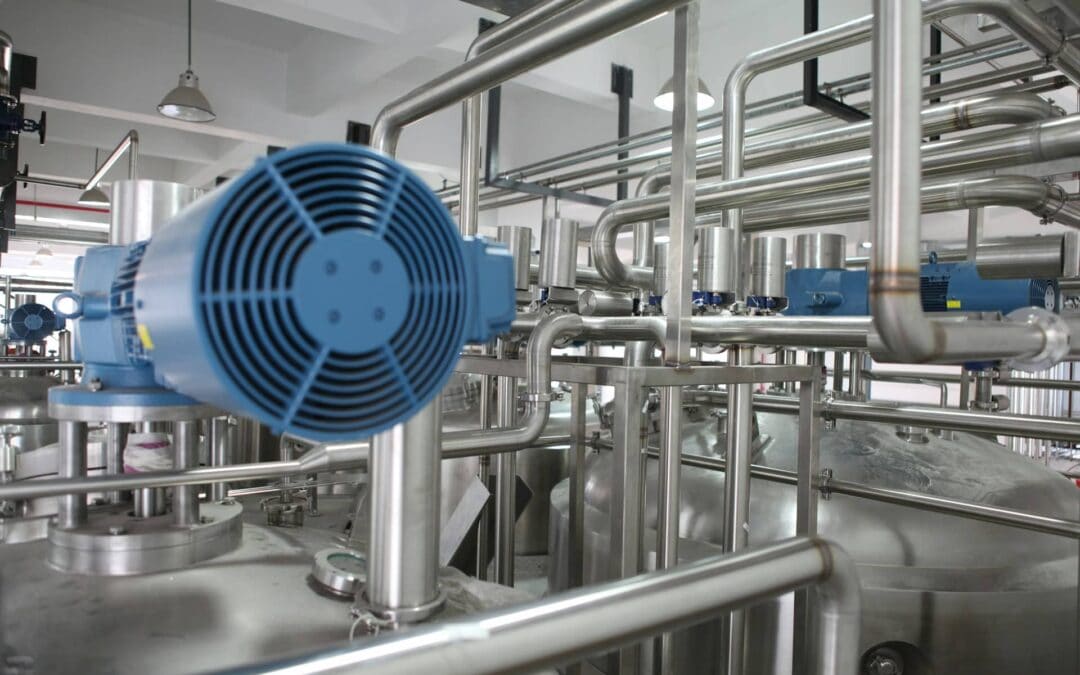
That massive drill press gathering dust in the corner? It’s not just taking up floor space – it’s actually frozen capital your business could put to better use elsewhere. Moving idle industrial machinery off your books unlocks both square footage and working capital. But knowing how and where to sell commercial equipment isn’t common knowledge. This practical walkthrough covers the essentials of converting those dormant assets into cash without the typical headaches.
First Things First: Get Your Machine Market-Ready
Before snapping photos or writing descriptions, invest some elbow grease in presenting your equipment properly. Just as homeowners spruce up properties before listing, machinery needs similar attention. This preparation is how to sell equipment as it directly affects both buyer interest and final sale prices.
- Functionality: Take a critical look at your machine’s operational status. Run it through typical cycles while observing performance. Note any quirks in operation – the temperamental start button or occasional hydraulic whine needs documenting. For computerized equipment like CNC machines, thoroughly test every function including interface responsiveness and program execution.
- Wear and Tear: Inspect metal surfaces, frame components, and working parts with unforgiving scrutiny. Document every rust spot, hairline crack, or worn bearing. While blemishes might seem worth downplaying, experienced buyers appreciate straight talk about condition issues. They’ll spot problems anyway, and honesty is how to sell equipment.
- Cosmetic Condition: Don’t overlook appearances either. Though experienced buyers focus on function over form, first impressions matter. Wipe down control panels, remove accumulated shop grime, and touch up chipped paint where practical. Even simple degreasing can transform perception – a clean machine suggests careful maintenance throughout its service life.
Gather Documentation
Before looking up where to sell commercial equipment, you’ll want to make sure you’ve gathered all the relevant documentation. Having this documentation ready will instill confidence in potential buyers, and it’s a great sign of a well-maintained machine.
Try to provide originals or copies of user manuals, especially if you’re selling a more complex machine. Keeping up with documentation is a crucial part of how to sell equipment. If it’s an older machine that has undergone multiple maintenance rounds, you can also offer service records.
Determine the Price
Accurately determining the market value of your used industrial equipment is crucial when learning how to sell equipment. You don’t want to leave money on the table, while also keeping the price low enough to attract enough buyers.
Check popular auction sites for ballpark figures. Compare what folks are asking for similar models with matching specs and ages. Pay attention to what’s actually selling versus just sitting there month after month. Keeping up with trends is part of how to sell equipment like a pro. Those industrial equipment magazines gathering dust in your break room? Flip through their classified sections – they often list current price and market trends that online listings miss. Some shops even subscribe to valuation services, though that’s probably overkill unless you’re moving a lot of gear.
Choose a Channel
Once you’ve prepared the equipment and determined a fair price for it, you’re ready to choose a sales channel. Learning where to sell commercial equipment is a key step, as this decision can significantly impact the speed and profitability of a sale. Let’s take a look at the different options available to you when you’re figuring out how to sell equipment.
- Online Marketplaces: Online marketplaces like eBay and Craigslist give you instant access to a massive audience of potential buyers, but the downsides are just as vast. It can be hard to stand out in a crowded online platform, and rampant practices like undercutting make it difficult to get a fair price for your equipment.
- Brokers: The right broker can make the selling process completely effortless. In exchange for a fee, they’ll typically handle everything from negotiation and marketing to financing (if needed). Brokers and dealers also have established networks throughout the industry, making finding buyers much easier. If you’re not sure how to sell used equipment, working with a broker is a great option.
- Auctions: Auctions can be a viable option for selling used industrial equipment, particularly if you’re looking for a quick sale and you’re not sure where to sell your commercial equipment. Equipment auctions can create a sense of urgency among buyers, driving up the final price.
Once you’ve decided where to sell your equipment, you can create a listing for it. Try to add high-quality photos and videos showcasing the equipment from multiple angles. Include detailed descriptions that provide comprehensive information about the equipment’s usage history.
Logistics: How and Where to Sell Commercial Equipment
This is a key, and often difficult, part of knowing how to sell equipment. Once you’ve negotiated the sale, it’s time to ship the equipment. Depending on your choice of sales channels, it can also be the easiest.
If you’re selling your equipment through an established machinery buyer or broker, they’ll help you sort out the logistics and even set up a consignment arrangement, if necessary.
Shipping responsibilities can vary drastically from one platform to the next if you’re selling via an online auction or a marketplace. You can make this a point of negotiation with the buyer as long as you’re transparent and forthcoming about the potential fees.
Why Choose Revelation Machinery?
Simply put, we know how to sell equipment. When weighing options for where to market your industrial assets, Revelation’s approach stands head and shoulders above typical alternatives. Unlike sprawling marketplaces where specialized machinery gets lost among thousands of unrelated listings, our focused platform connects sellers directly with serious buyers already seeking precisely what you’re offering.
Most shop owners find traditional selling routes surprisingly labor-intensive. Between answering countless inquiries from tire-kickers, arranging demonstrations for prospective buyers with uncertain financing, and navigating payment complications, the process can drain valuable time from your core business operations. Revelation Machinery eliminates these headaches by shouldering as much of the burden as you want – with us, you never have to wonder how to sell equipment.
Our technical team brings decades of hands-on experience across manufacturing sectors, thus we know where to sell commercial equipment and how to accurately assess your equipment’s true market potential. This practical knowledge translates into faster transactions completed at fair market rates (something generalist platforms simply cannot match).
Determining Your Equipment’s True Worth
Valuing industrial machinery requires balancing multiple factors beyond simple age calculations. Smart sellers consider:
- Operational History: Well-maintained equipment with documented preventive maintenance records commands premium pricing compared to identical models lacking service documentation.
- Market Timing: Certain industries experience cyclical demand patterns. Knowing whether you’re selling during peak or off-season affects valuation substantially. Tracking the market is a huge part of how to sell equipment successfully.
- Technological Position: Understanding where your machine sits on the obsolescence curve impacts pricing strategy significantly. For instance, equipment featuring recently-discontinued control systems often experiences temporary value drops before stabilizing.
- Geographical Considerations: Regional industrial concentrations create localized demand pockets. A press brake might fetch 15% more in manufacturing-dense regions versus areas with limited fabrication activity.
- Replacement Cost Ratios: Savvy buyers evaluate used machinery against new replacement costs. During periods of extended lead times for new equipment, well-maintained used alternatives gain proportional value.
By partnering with Revelation Machinery’s experienced industrial equipment specialists, you have a reliable partner who knows how to sell equipment. You’ll receive an accurate, realistic valuation reflecting current market conditions rather than wishful thinking or arbitrary depreciation formulas. Our team’s ongoing involvement in hundreds of transactions annually ensures pricing guidance based on actual completed sales rather than aspirational asking prices.
Sell Your Used Equipment Today
Figuring out where to sell commercial equipment can be a hassle. Cut through the noise with Revelation Machinery. Our established nationwide network of buyers makes it easy to sell your equipment. Get started today and ensure you receive the best possible prices for your used machinery.