
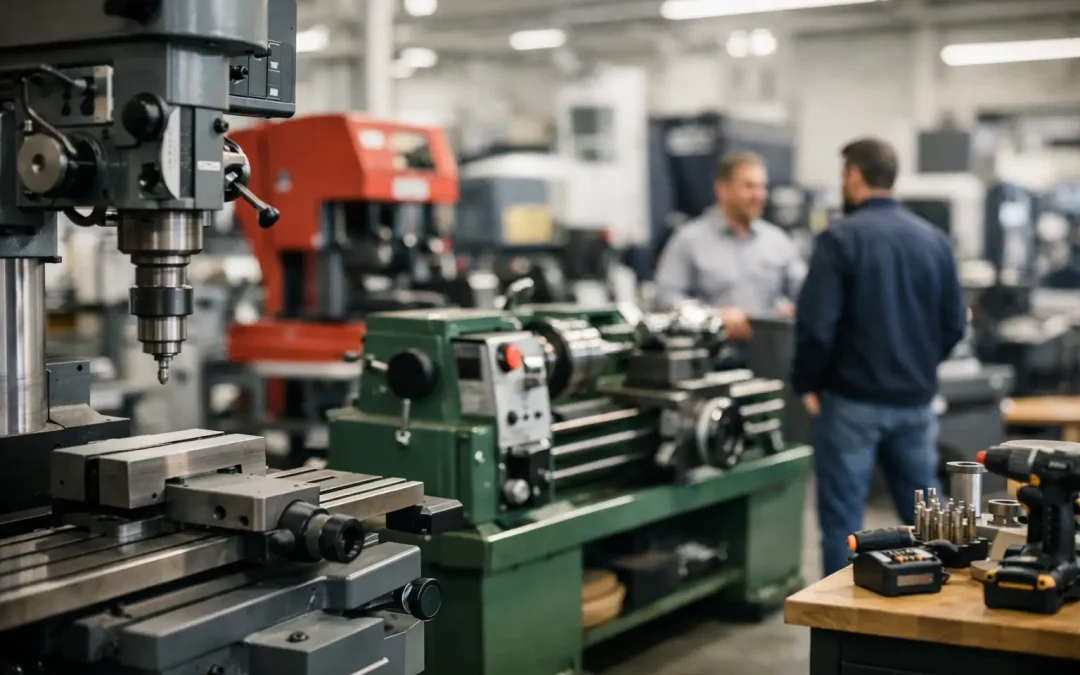
If a machine goes down or a new job lands with a tight deadline, the question is not just what to buy – it is where to buy it. The best places to buy machinery are the ones that match your timeline, budget, risk tolerance, and production needs. For manufacturers, fabricators, and plant managers, that usually means looking beyond price alone and focusing on source quality, seller transparency, and transaction support.
A low asking price can get expensive fast if the machine arrives misrepresented, incomplete, or difficult to install. On the other hand, paying a bit more through the right channel can reduce downtime, shorten the buying cycle, and give your team more confidence in the asset. Where you buy matters because it affects every step after the invoice – rigging, freight, startup, operator training, maintenance planning, and eventual resale value.
Best places to buy machinery based on your needs
There is no single right answer for every buyer. The best places to buy machinery depend on whether you need speed, selection, technical guidance, or the lowest possible acquisition cost.
For many industrial buyers, the strongest option is a reputable used machinery dealer. Dealers tend to offer the best balance of inventory access, market knowledge, transaction support, and responsiveness. If you are sourcing CNC equipment, fabrication machinery, packaging systems, or other production assets, a dealer can often help you compare multiple machines quickly and narrow in on the right fit for your application.
Auctions are another strong channel, especially when plants are closing, consolidating, or liquidating surplus equipment. Buyers can find attractive pricing and broad asset availability, but auctions usually require faster decisions and a higher comfort level with as-is purchases. If your team knows how to evaluate machinery risk and act decisively, auctions can be a very efficient buying path.
Private party sales can work well in certain cases, particularly when you already know the seller or the machine history. The trade-off is that the process often depends heavily on your own internal expertise. Inspection, negotiation, payment structure, shipping coordination, and dispute resolution may fall largely on the buyer.
OEMs and authorized distributors make sense when you need new equipment, factory warranties, standardized configurations, or specific automation packages. That route is often the best fit for buyers with long planning windows and capital budgets built around new machinery. For many operations, though, lead times and pricing can push used equipment higher on the priority list.
Why dealers are often the best place to buy machinery
A qualified machinery dealer solves problems that do not show up on a spec sheet. That includes validating machine condition, identifying missing components, explaining market pricing, and helping buyers avoid equipment that looks good on paper but does not fit the job.
This is particularly important for used industrial equipment. Two machines with the same make, model, and year can have very different value depending on hours, maintenance history, options, controls, tooling, and prior application. A dealer with category expertise can explain those differences quickly.
Dealers also help compress the buying process. Instead of chasing multiple sellers, waiting for callbacks, and piecing together freight details on your own, you can work through one point of contact who understands the urgency. For operations teams trying to replace a failed machine or add capacity before the next production run, that speed matters.
The best dealers also offer a broader market view. They know when pricing is firm, when comparable machines are available, and whether a hard-to-find model is worth pursuing. That level of guidance can save buyers from overpaying just because a machine seems scarce.
When auctions make the most sense
Online auctions have become one of the best places to buy machinery when price and access to surplus assets are the primary drivers. They are especially useful for buyers who understand machinery values and can evaluate equipment quickly from available photos, lot descriptions, and inspection windows.
Auction environments often create opportunities on equipment from plant closures, excess inventory, and large-scale liquidations. You may find entire lines, supporting equipment, and tooling in one event, which can be attractive if you are building out capacity or replacing multiple assets at once.
But auctions come with trade-offs. Sales are commonly final, timelines are compressed, and equipment may be sold as-is, where-is. If a machine lacks documentation, has limited testing available, or requires complex removal, that burden shifts to the buyer. Auctions reward preparation, not hesitation.
For many buyers, the smartest approach is to treat auctions as part of a broader sourcing strategy rather than the only strategy. If you know exactly what you need and your team can move fast, auctions can deliver strong value. If you need hands-on guidance, dealer support may be the better fit.
Private sellers and direct-from-plant purchases
Buying directly from another manufacturer can look appealing because it removes a middle layer. In some cases, it can be a very good option, especially if the seller has clear maintenance records, can demonstrate the machine under power, and is transparent about condition.
Still, direct purchases can become time-consuming. Sellers are often focused on their own operations, not on managing equipment transactions. That can mean slower communication, limited documentation, and gaps around loading, freight prep, or payment structure.
There is also the issue of valuation. Without a broader view of the market, buyers may struggle to know whether the asking price reflects current demand. A direct deal is not automatically a better deal. It depends on machine quality, seller transparency, and how much internal effort your team is willing to invest.
What separates a good source from a risky one
The best places to buy machinery share a few consistent traits. They provide clear machine information, respond quickly, and understand that downtime has a cost. They can answer practical questions about condition, options, service history, loading, and logistics without creating unnecessary friction.
Transparency is a major differentiator. Buyers should be able to get honest information about what is known, what is unconfirmed, and what needs inspection. Vague listings and delayed answers are usually warning signs, especially on higher-value equipment.
Support after the sale matters too. Even when a machine is sold as-is, the buying process should not feel unsupported. Coordinating inspections, discussing rigging requirements, and aligning delivery timing are all part of a professional transaction. The source of the machine should make these steps easier, not harder.
How to choose the best place to buy machinery for your operation
Start with the operational need. If the machine is replacing failed equipment, response time and transaction support may matter more than chasing the absolute lowest number. If you are buying for a planned expansion, you may have more room to compare sources and wait for the right asset.
Next, look at your team’s experience level. A seasoned maintenance manager or capital equipment buyer may be comfortable navigating auctions and direct deals. A first-time used equipment buyer may benefit from working with a dealer who can guide inspection, valuation, and logistics.
Then consider total acquisition cost. The purchase price is only one part of the equation. Freight, rigging, installation, tooling, repairs, controls support, and lost production time all affect the real cost of the machine. The cheapest listing is not always the most economical choice.
Finally, think about future flexibility. Equipment with strong brand recognition, documented history, and broad market demand tends to hold resale value better. Buying from a trusted source can help you make a smarter decision today and protect options later if your production needs change.
A practical buying path for used machinery
For most manufacturers, the most effective path is straightforward. Define the application, identify must-have specifications, and work only with sources that can provide timely and credible information. Compare condition and support, not just asking price.
If you are evaluating multiple channels, be honest about where risk belongs. Some buyers prefer to own more of that risk in exchange for a lower entry price. Others want a more managed process that keeps production moving and reduces surprises. Neither approach is wrong, but the right source should match how your business operates.
That is why many buyers work with a dealer and auction partner that can cover both sides of the market. A company like Revelation Machinery can give manufacturers access to pre-owned inventory, online auction opportunities, and experienced support from quote through delivery. That kind of flexibility helps buyers move faster without sacrificing visibility.
The best purchase is rarely the one that looks cheapest on day one. It is the one that fits the job, arrives as expected, and goes to work without creating a second problem for your team.