
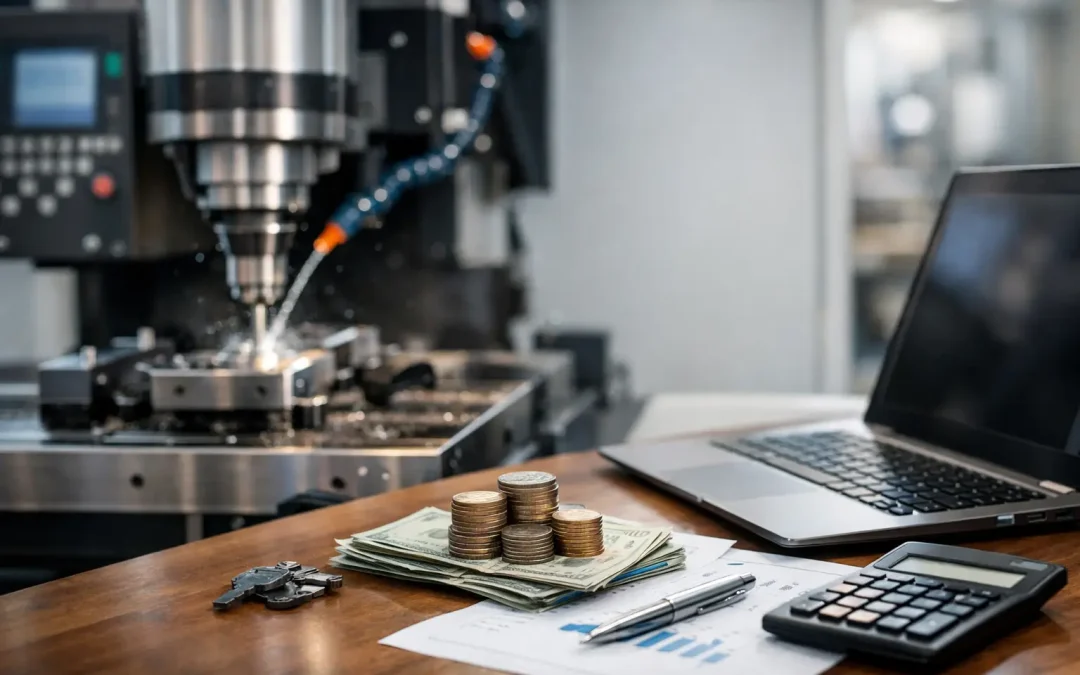
A CNC purchase can solve a capacity problem, reduce outsourcing, or win work your shop could not previously quote. It can also tie up cash at the exact moment you need it for tooling, materials, payroll, installation, and freight. This CNC machine financing guide is built for manufacturers weighing those trade-offs before committing to a vertical machining center, CNC lathe, multi-axis machine, or other production asset.
The right financing structure is not simply the one with the lowest monthly payment. It is the one that supports your production plan, preserves adequate working capital, and aligns with the useful life and expected utilization of the machine. For used equipment buyers, that also means financing a machine that has been properly evaluated, priced fairly, and matched to the work coming through your doors.
Start With the Production Case, Not the Payment
Before comparing lenders or lease proposals, define what the machine needs to accomplish. A new machine may offer the latest controls, warranty coverage, and manufacturer support. A quality used CNC can deliver the capacity you need at a lower acquisition cost and potentially a faster return on capital. Neither option is automatically better. The decision depends on the parts you run, available labor, uptime requirements, and the margin attached to the new work.
Build the business case around measurable operational impact. Estimate the hours currently spent outsourcing, the cycle-time improvement you expect, the labor you can redeploy, and the revenue you can realistically produce. Be conservative. A machine that looks profitable at 100 percent utilization may create strain if actual demand starts at 55 or 60 percent.
Also account for the full delivered cost, not just the advertised machine price. Rigging, freight, installation, electrical work, foundations, tooling, programming, inspection, insurance, and initial maintenance can materially affect the project budget. Financing the machine while paying every other cost from operating cash may be appropriate, but only if your cash reserves can comfortably absorb it.
CNC Machine Financing Guide: Know Your Main Options
Most equipment purchases are funded through a term loan, an equipment lease, or cash. Each has a place in a well-run manufacturing operation.
Equipment term loans
An equipment term loan is a common choice when you intend to own the CNC machine from day one. The machine typically serves as collateral, and you repay principal and interest over a defined term. Once the loan is paid, your business owns the asset free of the lender’s lien.
Term loans often make sense for equipment you expect to keep for many years, especially when the machine is central to your production process. They may offer predictable payments and can be structured around the expected useful life of the equipment. The trade-off is that ownership places resale risk and long-term maintenance responsibility squarely with your business.
For used machinery, lenders may look closely at the machine’s age, manufacturer, condition, serviceability, and resale value. Recognized brands with established markets are generally easier to finance than highly specialized or obsolete equipment. Documentation matters. A clear invoice, serial number, machine specifications, photographs, and condition information can help move an approval forward.
Equipment leases
Leasing can preserve cash and offer flexibility when technology changes quickly or when you want to manage payments around projected production growth. In some structures, you make payments for the use of the machine and return it at the end of the term. In others, you have the option to purchase it for a predetermined amount.
The details matter more than the label. Ask whether the lease includes a fair-market-value purchase option, a fixed buyout, renewal requirements, end-of-term notice periods, or return conditions. A low payment can be attractive, but an unclear end-of-term obligation can become expensive.
Leasing may be a practical fit for a growing shop adding capacity without exhausting its line of credit. It may be less attractive for a buyer who knows the machine will remain productive for a decade and wants the lowest total cost of ownership. Compare the total payments, buyout terms, and potential fees with a loan before deciding.
Cash purchases
Paying cash eliminates interest expense and lender documentation. It can also strengthen your negotiating position, particularly when a seller needs to move equipment quickly. For a well-capitalized operation, cash may be the cleanest path.
But a cash purchase is not automatically the most capital-efficient decision. If buying a machine drains the funds needed to cover a slow-paying customer, a material price increase, or an unexpected repair on another asset, the savings on interest may not justify the risk. Keep enough liquidity to operate with confidence after the purchase is complete.
What Lenders Will Evaluate
Lenders are underwriting both the business and the equipment. A profitable shop with consistent revenue, healthy cash flow, and a clear operating history will generally have more options. Startups and newer businesses can still obtain equipment financing, but they may face a higher down payment, a personal guarantee, shorter terms, or higher rates.
Expect to provide financial statements, recent bank statements, tax returns, business formation documents, and details on existing debt. Some lenders will also ask for a quote or invoice, machine specifications, serial number, year of manufacture, and seller information. If the equipment is located at auction or in a plant closure, communicate the timeline early. Auction payment deadlines and removal requirements do not wait for a slow approval process.
Credit quality matters, but it is not the whole story. A lender may be more comfortable with a dependable, broadly marketable CNC from a reputable dealer than with a niche machine that is difficult to value or resell. That is one reason equipment selection and financing strategy should be considered together.
Set a Payment Structure Your Shop Can Carry
Monthly payments need to fit the real rhythm of your operation, not an optimistic forecast. Look at your fixed costs, seasonal demand, customer payment terms, current backlog, and the ramp-up period required to put the CNC into production. If the machine will need two months for rigging, electrical connection, training, and first-article approval, do not assume it generates full revenue in month one.
A larger down payment lowers the financed balance and may improve approval terms. However, putting every available dollar down can create avoidable pressure on working capital. There is no universal target. The appropriate down payment depends on your cash position, borrowing costs, backlog quality, and other upcoming capital needs.
Pay attention to term length as well. Longer terms reduce the payment but may increase total interest and leave you paying on equipment after its productive role has changed. Shorter terms build equity faster but demand more from cash flow. The best structure usually matches the machine’s expected productive life while leaving room for normal operating volatility.
Due Diligence Protects Both the Purchase and the Financing
Financing does not replace machine inspection. Whether you buy from inventory, a private seller, or an auction, verify the equipment’s condition before you finalize the transaction whenever possible. Review maintenance history, control type, spindle hours if available, tooling package, axis travel, electrical requirements, and any known repair needs. Confirm that the machine can run the parts you intend to produce.
For used CNC equipment, arrange for a powered inspection or a qualified third-party review when the investment warrants it. A machine can be priced attractively and still require costly repairs, retrofits, or control work that changes the economics of the deal. If inspection is limited, adjust your budget and financing request to account for uncertainty.
Work with a seller that can provide clear equipment information, respond quickly to questions, and coordinate practical details such as loading, rigging, and freight. Revelation Machinery helps buyers source used industrial equipment with the transparency and responsiveness needed to make capital decisions on a real production timeline.
Avoid Common Financing Mistakes
The most expensive mistakes usually happen before documents are signed. Do not finance based only on a monthly payment quote. Review the rate, term, down payment, documentation fees, prepayment terms, insurance requirements, and end-of-term obligations. Ask for the total amount you will pay under the agreement.
Avoid treating the machine as the entire project. A financed CNC without available cash for tooling, programming, transport, and setup can sit idle while payments begin. Likewise, do not assume every lender understands used industrial equipment. A financing partner familiar with machinery values and transaction timelines can reduce delays and help avoid last-minute surprises.
Finally, separate a real capacity need from a speculative purchase. If the machine supports firm backlog, recurring parts, or a documented cost reduction, financing can be a disciplined way to expand. If the work is uncertain, a lower-cost used option, a shorter commitment, or a phased purchase may protect the business better.
A CNC machine should earn its payment through better throughput, lower outside processing costs, stronger margins, or more dependable delivery performance. When the equipment, finance terms, and implementation plan all support that goal, you can add capacity without putting day-to-day operations at risk.