
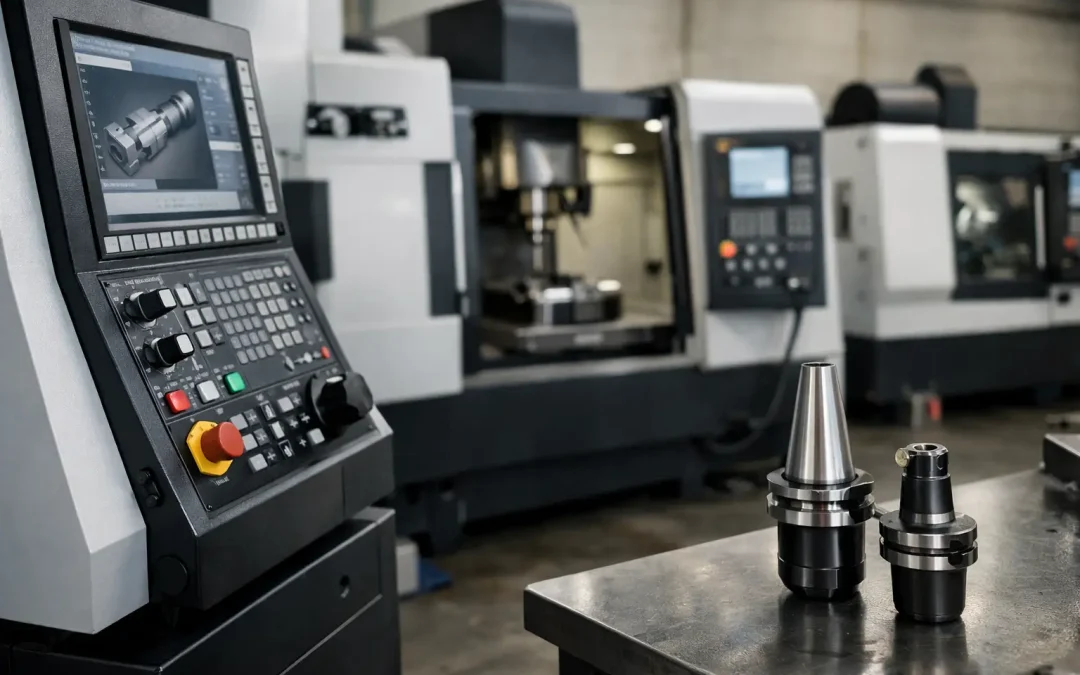
A used CNC that looks like a bargain on paper can become expensive fast if parts are hard to find, controls are outdated, or service support is thin in your region. That is why the best used CNC brands are not just the ones with strong name recognition. They are the brands that hold up in real production, have dependable parts and service networks, and make sense for the work your shop actually runs.
For most buyers, brand is a shortcut to risk reduction. It helps narrow the field when you are balancing spindle hours, control generation, axis configuration, tooling compatibility, lead time, and budget. But brand alone should never make the decision. A well-maintained machine from a mid-tier manufacturer can be a better fit than a neglected premium model, especially if uptime and speed to install matter more than prestige.
What makes the best used CNC brands stand out
The strongest used CNC brands tend to perform well in five areas. First is serviceability. If a control board fails or a spindle needs attention, you need a realistic path to repair. Second is parts availability, because even a solid machine loses value if replacement components are slow or costly to source.
Third is application fit. Some brands are known for heavy cutting and rigidity, while others shine in high-speed milling, automation readiness, or simple operator training. Fourth is resale value. A machine with a stable secondary market gives buyers more confidence and protects future trade-in or liquidation value. Fifth is control familiarity. Popular Fanuc, Haas, Mazak, Siemens, and Mitsubishi-based platforms are often easier to staff around than niche or obsolete systems.
Best used CNC brands by market reputation
If you are evaluating the best used CNC brands for milling and turning, a handful of names come up consistently because they have broad installation bases and strong long-term support.
Haas
Haas remains one of the most common entry points into CNC ownership in the US. On the used market, that matters. Shops can often find Haas vertical machining centers and lathes quickly, operators are usually familiar with the control, and parts and service support are generally straightforward.
The trade-off is that Haas is not always the right answer for every application. For lighter to medium-duty work, prototyping, job shop production, and general-purpose machining, it can be an efficient buy. For very aggressive metal removal, tight thermal stability requirements, or demanding multi-shift environments, some buyers prefer heavier-built alternatives.
Mazak
Mazak is a strong choice for buyers who want capability, broad model availability, and long-term confidence in the used market. Many shops look at Mazak when they need advanced turning, multitasking, or more production-oriented machining than a basic VMC provides.
Used Mazak machines often carry a higher upfront cost than more entry-level brands, but that premium can be justified by build quality, feature depth, and resale strength. The main consideration is control familiarity. Some teams prefer Mazatrol because of its conversational strengths, while others want standard G-code workflows and may need a little more onboarding depending on the machine.
Okuma
Okuma has a strong reputation for rigidity, accuracy, and durable construction. Buyers often seek used Okuma machines when they need dependable performance in serious production settings, especially in turning and larger machining applications.
On the used side, Okuma can be an excellent value if the machine has been maintained properly. The machines are well regarded, but the buyer should confirm control condition, support options, and local technician access. A good machine with limited regional support can still create downtime headaches.
DMG Mori
DMG Mori is often associated with higher-end machining, advanced features, and strong engineering. For shops moving into more complex work, five-axis capacity, or tighter process control, used DMG Mori equipment can be attractive.
That said, this is one of the clearest cases where total ownership cost matters more than purchase price. Some used models can be exceptional values, but buyers should verify service history, software status, and repair cost exposure before moving forward. If the machine fits the work and the support plan is clear, the upside can be significant.
Doosan
Doosan has built a solid position in the used market by offering capable machines with good value across mills and lathes. Many buyers view Doosan as a practical middle ground – more production-oriented than some entry-level options, without always carrying the premium pricing of top-tier European or Japanese brands.
This brand often makes sense for shops that want durability and performance while keeping capital spending under control. As always, model-specific condition matters. A clean, well-documented Doosan can be a very efficient buy.
Mori Seiki legacy machines
Many buyers still specifically search for Mori Seiki-branded machines built before the full DMG Mori branding era. These machines remain respected for their construction and long service life, especially in turning centers and horizontal machining applications.
The opportunity here is clear: older Mori Seiki units can deliver real production value at a lower acquisition cost. The risk is also clear: age, control generation, and replacement electronics need close review. Some legacy machines are workhorses. Others need more support than the purchase price suggests.
Makino and Kitamura
For buyers with demanding tolerances, mold work, or high-performance milling requirements, Makino and Kitamura deserve attention. These are not always the cheapest used machines on the market, but they are frequently among the most respected.
The key question is utilization. If your workload can actually benefit from the precision, speed, and rigidity these brands offer, the investment may pencil out well. If your shop mostly runs general-purpose work, you may be paying for capability you do not need.
Best used CNC brands depends on your application
A brand that is excellent for one shop can be the wrong fit for another. That is especially true in the used market, where condition and prior use vary widely.
For general job shop milling, Haas, Doosan, and certain Mazak VMCs are often high on the list because they are familiar, available, and flexible. For heavy-duty turning or production lathe work, Okuma, Mazak, Mori Seiki, and Doosan are commonly favored. For higher-end five-axis or precision applications, DMG Mori, Makino, and Kitamura are worth close attention.
If operator availability is a concern, control familiarity should carry real weight. A machine that your current team can run and troubleshoot with confidence may create more value than a technically superior machine that slows setup, training, or maintenance response.
What to check before choosing a used CNC brand
Brand gets you into the right neighborhood, but the machine itself closes the deal. Start with maintenance records, spindle load history if available, way and ballscrew condition, backlash, lubrication function, and alarm history. If the machine has probing, automation, live tooling, or a fourth or fifth axis, verify that those systems are complete and functional.
Control age matters more than many first-time buyers expect. An older machine from a premium builder can still be a smart buy, but if the control is obsolete and expensive to repair, the risk profile changes. It is also worth checking whether the machine uses common toolholders, chucks, and accessories already in your shop. Reducing setup friction has real value.
Power requirements, footprint, rigging access, and freight planning should be addressed early. A strong machine purchase can turn into a delayed installation if plant readiness is not part of the review. Buyers who move quickly without confirming these basics often lose time where they expected to save money.
Balancing price, uptime, and resale
The best buying decisions usually sit in the middle ground between cheapest and most advanced. A lower-priced used CNC may help preserve capital, but if it needs immediate service or struggles to hold tolerance, the savings disappear quickly. On the other end, a premium machine with features your shop will never use can tie up budget without improving throughput.
This is where market knowledge makes a difference. The best used CNC brands tend to retain attention in the resale market because buyers trust them, technicians know them, and parts channels remain active. That does not guarantee every machine is a winner, but it gives you a stronger starting point.
For buyers moving fast, inventory access also matters. Waiting months for the perfect specification can cost more than buying a very good machine that is available now, especially if a missed delivery window or production bottleneck is driving the decision. In those cases, working with a responsive equipment partner who understands both condition and application can shorten the path to a smart purchase.
A good used CNC should not just fit your budget. It should fit your workflow, your staffing, and your service reality. If you focus on brand reputation, machine condition, and application fit in equal measure, you will make a better decision than if you chase any one factor by itself. And if you are buying under pressure, the right guidance can be just as valuable as the badge on the machine.