
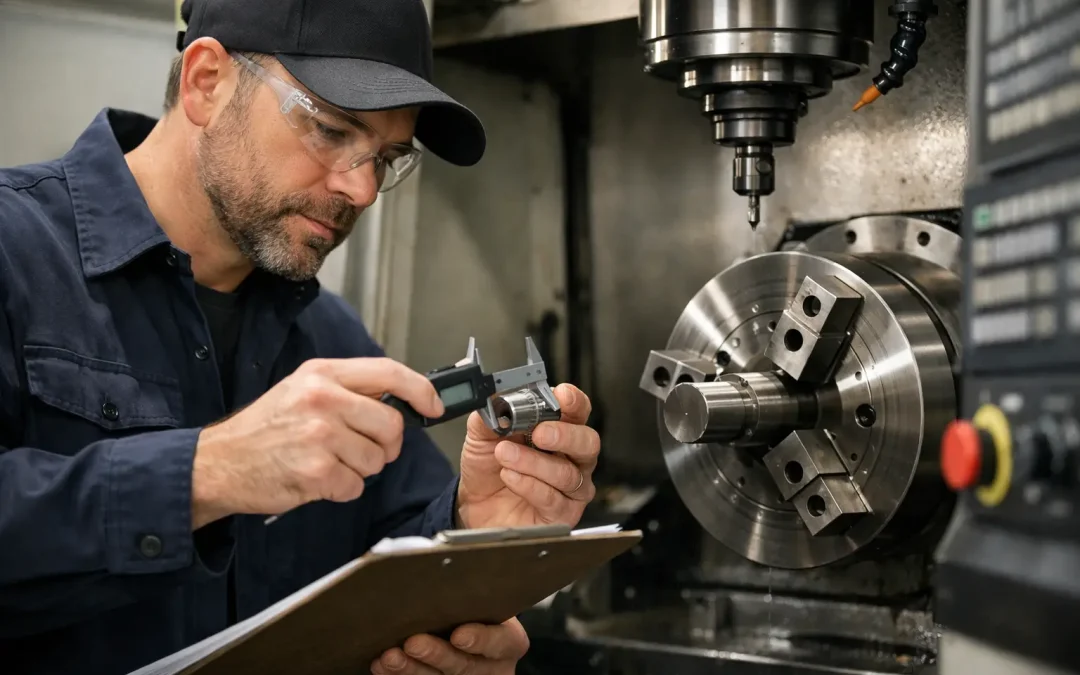
A used CNC machine can look clean, power up without alarms, and still turn into an expensive downtime problem three weeks after it hits your floor. That is why knowing how to inspect used CNC equipment matters long before you compare asking prices. A serious inspection protects capital, shortens startup risk, and gives your team a clearer picture of what the machine can actually do in production.
How to inspect used CNC equipment before you buy
The right inspection starts before anyone opens the electrical cabinet or jogs an axis. First, match the machine to the work you plan to run. A vertical machining center that held loose tolerance aluminum work may not be the right fit for tight-tolerance steel parts, even if the price looks attractive. A multi-axis lathe with live tooling may sound like a capacity upgrade, but if key functions are worn or unsupported, the savings disappear quickly.
Start with the basics: manufacturer, model, year, control, axis configuration, spindle hours if available, and any known options such as probing, through-spindle coolant, chip conveyor, or bar feeder interface. Then ask where the machine came from, what material it was cutting, whether it was still under power recently, and why it is being sold. These answers do not replace a physical inspection, but they tell you where to look harder.
Check the documentation first
A machine with complete records is usually easier to evaluate and easier to support after purchase. Ask for maintenance logs, repair history, alarm history, parameter backups, manuals, and any service reports from the OEM or independent technicians. If the seller has no records at all, that does not automatically kill the deal, but it does increase uncertainty.
Pay close attention to major component replacements. A documented spindle rebuild, way cover replacement, ball screw work, or servo repair can be a positive sign if the work was done properly. On the other hand, repeated repairs on the same axis or unresolved control faults can point to deeper issues.
Inspect overall condition and signs of use
Cosmetics do not tell the whole story, but they do tell part of it. Look for crash damage, broken handles, oil leaks, missing covers, damaged way covers, cracked windows, coolant neglect, and excessive chip buildup in hard-to-reach areas. A machine that was cleaned for sale can still reveal a lot through stained enclosure panels, heavy rust, poor lubrication patterns, or signs of impact near the spindle nose and table.
You also want to compare wear patterns to the seller’s story. If a machine is presented as lightly used but the table has extensive marking, the turret shows repeated impact scars, or the door hardware is heavily worn, ask more questions. The goal is not to find a perfect machine. The goal is to determine whether condition matches representation.
Evaluate the control and electrical system
When buyers think about how to inspect used CNC equipment, they often focus on the iron and overlook the control. That can be a costly mistake. Controls, drives, and electrical components affect reliability, serviceability, and operator adoption.
Power the machine up and let it run long enough to reach a stable condition. Watch for boot errors, intermittent alarms, battery warnings, fan failures, and display issues. Verify the exact control model, software version, and installed options. Make sure key screens function correctly, the keypad responds consistently, and the machine can reference home without trouble.
Open the electrical cabinet if inspection conditions allow. You are looking for heat damage, dust loading, oil contamination, loose wiring, unauthorized modifications, and unsupported retrofits. A tidy cabinet is encouraging, but what matters more is whether the electrical system appears maintained and serviceable. If critical components are obsolete, factor that into price and risk.
Test axis motion and response
Jog each axis through as much travel as possible. Listen for unusual servo noise, binding, hesitation, or vibration. Movement should feel consistent, not rough in one area and smooth in another. If an axis has backlash or wear concentrated in the most-used travel zone, that may show up during movement changes or direction reversals.
Run rapid moves if the machine condition allows it. Watch for following errors, abnormal noise, or sluggish acceleration. Then test low-speed motion and fine positioning. Some problems hide at one speed and show up at another.
Focus on spindle health and cutting readiness
The spindle is one of the highest-risk components in a used CNC purchase. Replacing or rebuilding it can materially change the economics of the deal, so inspect it carefully. Start by checking taper condition, drawbar function, tool retention, and any visible damage at the spindle nose.
Run the spindle through a range of speeds. Listen for growling, rattling, excessive heat, or vibration. Let it run long enough to expose bearing noise that does not appear in the first minute. If the machine has through-spindle coolant, verify operation. If it has a tool changer, cycle it repeatedly and watch for hesitation, misalignment, or inconsistent clamping.
For lathes, inspect the chuck, hydraulic system, tailstock, turret indexing, and live tooling interface if equipped. Turret repeatability matters just as much as spindle sound. A machine can power on and index, yet still struggle to hold repeatable position in real work.
Check backlash, repeatability, and geometry
This is where a serious buyer separates appearance from capability. Use an indicator, test bar, or ballbar if available. At a minimum, check backlash on each axis, look at repeatability over repeated moves, and verify that the machine returns to position consistently.
Geometry checks should match the level of risk and the value of the transaction. On a lower-cost secondary machine, you may accept some wear if it fits the job. On a production-critical machine expected to hold tight tolerances, you should be far more demanding. Check table flatness, spindle runout, squareness, and axis alignment where practical. If the machine will support precision work, a qualified third-party inspection is often money well spent.
Review lubrication, coolant, and supporting systems
A machine’s support systems tell you a lot about how it was maintained. Inspect way lubrication, hydraulic pressure, coolant delivery, air supply condition, and chip removal. Low lube levels, clogged lines, contaminated coolant, or disabled pumps can indicate deferred maintenance.
Pay attention to simple details. Are sight glasses readable? Are lubrication cycles functioning? Is the chip conveyor operational? Has the machine been sitting idle long enough for seals to dry out or rust to form on exposed surfaces? These are not headline issues, but they affect startup reliability.
Ask what cannot be seen during a short inspection
Not every risk shows up on the shop floor. Ask whether the machine has known intermittent faults, if there are any parameters that need to be reloaded after battery failure, whether factory support is still available, and how easy it is to source replacement boards, drives, or motors.
If possible, request proof of parts being cut recently. A machine under power is better than one in storage, but a machine making acceptable parts is better still. Sample parts, inspection reports, or a short cutting demonstration can help confirm whether the machine is production-ready or simply operational.
Price the machine based on total risk, not asking price
A lower sticker price can be misleading if you are buying deferred repairs, unknown transport issues, and weeks of troubleshooting. Inspection should lead directly into a realistic cost picture that includes rigging, freight, installation, tooling compatibility, power requirements, service work, and any control or spindle risk you uncovered.
This is where experienced support makes a difference. A dependable seller should help clarify what is known, what is unverified, and what services may be needed after the sale. Revelation Machinery works with buyers across the country who need to move quickly without guessing on equipment condition, logistics, or fit for application.
Know when to walk away
Some findings are manageable. Worn way wipers, aging cosmetics, or minor maintenance needs may be acceptable if the machine is priced correctly. But repeated alarms, poor geometry, serious crash evidence, unsupported controls, or major spindle issues can turn a bargain into a disruption.
Good used CNC buying is rarely about finding a flawless machine. It is about finding a machine with an honest condition profile, a supportable platform, and a price that reflects real-world risk. If you approach the process with that standard, you will make faster, better decisions and put more reliable capacity on your floor.
The best inspection is the one that tells you not just whether the machine runs, but whether it belongs in your operation.