
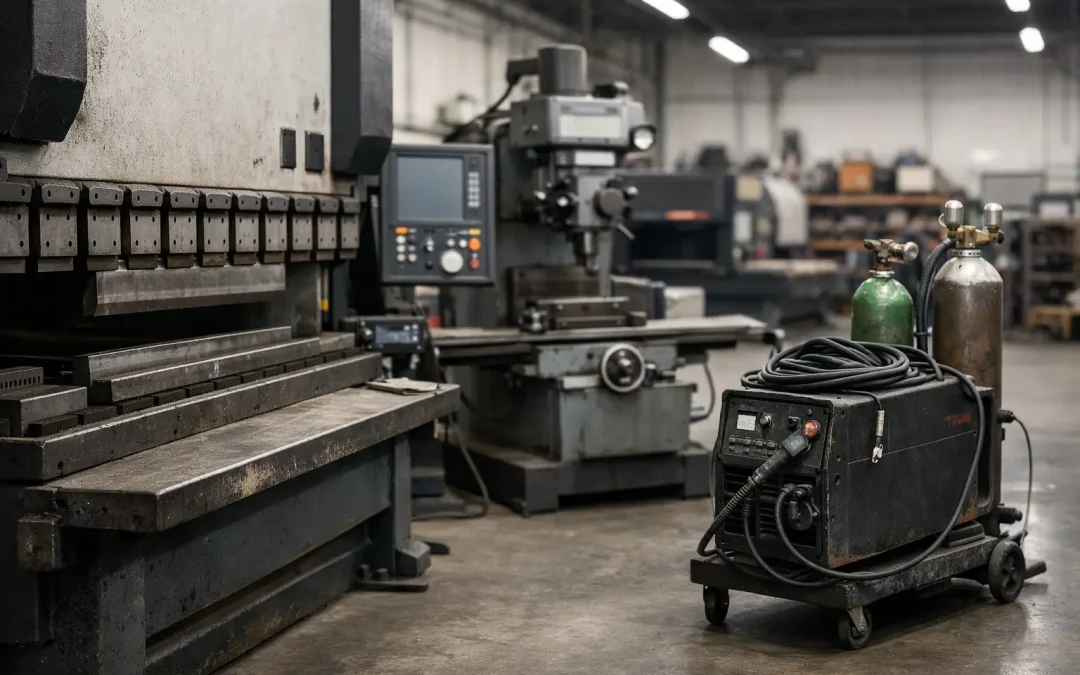
A missed delivery date usually costs more than the machine. When a laser, press brake, shear, or ironworker goes down – or when a shop lands new work and needs capacity fast – the search for used fabrication equipment for sale becomes a production decision, not just a purchasing task. Speed matters, but so do machine condition, seller credibility, freight timing, and total cost once the equipment hits your floor.
For many manufacturers, buying used fabrication machinery is the most practical way to add capability without tying up capital in long OEM lead times and premium pricing. The opportunity is real, but the quality of the transaction makes all the difference. A well-matched used machine can strengthen throughput and margins. A poorly vetted one can create downtime, rework, installation issues, and expensive surprises.
Why used fabrication equipment for sale gets serious buyer attention
Fabrication shops and plant managers are under constant pressure to do more with existing labor, floor space, and cash flow. That is why the secondary market remains active across core equipment categories such as press brakes, lasers, plasma tables, turret punches, saws, rolls, ironworkers, welders, and material handling systems. Used equipment gives buyers another path when new machinery is delayed, budget approvals are tight, or a specific legacy process needs support.
The biggest advantage is usually capital efficiency. A pre-owned machine can deliver the function you need at a lower acquisition cost, which helps preserve cash for tooling, staffing, raw materials, and maintenance. In many cases, the right used machine also shortens the timeline between identifying a need and putting capacity online.
That said, not every used asset is a bargain. Age alone tells you very little. A ten-year-old machine from a strong manufacturer with good maintenance history may be a better operational fit than a newer machine with poor service records or uncertain support. Buyers who focus only on asking price often miss the larger picture.
How to evaluate used fabrication equipment for sale
The best buying process starts with production requirements, not listings. Before comparing available machines, define what the equipment must actually do in your operation. Material type, thickness range, part size, throughput expectations, tolerance requirements, shift pattern, and available utilities all affect whether a machine is a fit.
Start with the job, not the machine
A press brake that looks attractively priced may still be wrong if it cannot handle your bed length, tonnage, or control requirements. A laser may seem like a capacity upgrade until you account for assist gas setup, chiller needs, automation compatibility, or software integration. If your team is replacing an existing machine, look closely at what the current equipment does well and where it creates bottlenecks.
This is also where labor reality comes in. Some buyers want advanced features but have operators who are most productive on familiar controls and straightforward setups. Others are willing to invest in training if the machine delivers better throughput or flexibility. There is no universal right answer. The better decision depends on your crew, your schedule, and the type of work you run every day.
Look beyond cosmetic condition
Paint and presentation matter less than wear surfaces, controls, maintenance records, and evidence of proper use. On fabrication equipment, buyers should pay close attention to the machine’s working systems, not just its appearance. Backgauges, hydraulic components, CNC controls, bearings, drive systems, cutting heads, table condition, guarding, and electrical cabinets often tell a more useful story than the exterior.
When available, review service history, hours, rebuild records, replacement parts documentation, and any notes on prior issues. If the machine can be inspected under power, that typically provides a much clearer picture than static photos alone. For some equipment, a demonstration is worth the extra effort because it helps confirm repeatability, control function, and general operating condition.
Factor in support and replacement parts
A good purchase price loses appeal quickly if support is limited and parts are difficult to source. That risk is especially relevant with older controls, discontinued models, or imported equipment with inconsistent parts availability. Even if the machine itself is mechanically sound, limited support can extend downtime when something eventually fails.
For many buyers, the right machine is not simply the cheapest available. It is the one that balances price, condition, supportability, and expected service life. If the machine will play a critical role in your production schedule, support should carry real weight in the buying decision.
The real cost is more than the selling price
Experienced buyers know that acquisition cost is only one number in the deal. Freight, rigging, loading, unloading, installation, tooling, inspection, operator training, electrical work, and startup time all affect the real investment. Depending on the machine category, those costs can be substantial.
A machine that looks less expensive on paper may end up costing more once transport and commissioning are complete. On the other hand, a higher-priced machine with cleaner history, better tooling, and faster readiness can reduce total risk and get production running sooner. In a busy shop, that time difference matters.
This is why transparent quoting matters so much in used machinery transactions. Buyers need to understand what is included, what is not, and what steps remain before the machine is operational. The strongest deals are clear from the start, with no confusion around condition, payment terms, inspection options, or logistics.
Auctions vs. direct purchase
Both channels can be effective, but they serve different needs.
Auctions can create strong buying opportunities, especially when plants are closing, consolidating, or liquidating surplus assets. They may also provide access to larger volumes of equipment in a short window. For buyers who understand model values, inspection limits, and removal timelines, auctions can be an efficient way to secure machinery at competitive pricing.
Direct purchase is often the better fit when speed, flexibility, and transaction support are priorities. Buyers may have more room to ask questions, review condition details, compare alternatives, and line up financing or logistics with fewer moving parts. For first-time used equipment buyers in particular, a direct dealer relationship can reduce uncertainty.
Neither path is automatically better. It depends on your internal experience, timeline, and appetite for risk. If you need a specific machine quickly and want a straightforward process, working with a knowledgeable dealer often provides more control.
What sellers should know about the fabrication market
The demand for used fabrication equipment is not only relevant to buyers. It also matters to manufacturers sitting on idle assets, duplicate capacity, or entire lines tied to facility changes. Machines that are no longer useful to one operation may still carry significant market value when positioned correctly.
Timing, documentation, and presentation all influence sale results. Sellers who can provide model information, specifications, maintenance history, tooling details, and clear photos usually attract stronger interest. The sales channel matters too. Some assets perform well through direct resale, while others benefit from auction exposure, especially when speed is critical or a full plant liquidation is underway.
A partner that understands both valuation and buyer demand can help sellers decide whether to pursue consignment, direct sale, or auction. That guidance is especially valuable when internal teams are focused on operational changes and do not have time to manage individual equipment sales.
Choosing a partner for used fabrication equipment for sale
Industrial equipment transactions move faster and cleaner when the seller or dealer understands the operational stakes. Buyers are not just acquiring metal and motors. They are protecting lead times, labor productivity, and customer commitments. Sellers are not just clearing floor space. They are recovering value from assets that impact balance sheets and facility planning.
That is why responsiveness matters. So does inventory depth, category expertise, and the ability to support the process from sourcing through shipping. A national dealer with strong market reach can often surface more options and move equipment faster, but the service still needs to feel direct, informed, and accountable. Revelation Machinery has built its model around that balance, pairing broad access to used industrial assets with practical support for buyers and sellers who need answers quickly.
The strongest outcomes usually come from clear communication. Buyers should be upfront about application, budget, and timing. Sellers should be realistic about condition, documentation, and market expectations. When both sides work from accurate information, deals happen faster and with fewer surprises.
If you are evaluating used fabrication equipment, the goal is not simply to buy cheaper. The goal is to put the right machine in the right operation with the least friction and the fewest unknowns. That is what keeps production moving, protects capital, and gives your team room to grow without unnecessary delay.