
A machine that looks like a bargain on paper can turn into weeks of downtime, surprise rigging costs, and expensive repairs once it hits your floor. That is why knowing how to buy used machinery is not just about finding a low price. It is about protecting uptime, preserving capital, and making sure the equipment you buy can go to work without creating new problems.
For most manufacturers, the used market is attractive for a simple reason: speed. New equipment often comes with long lead times, while pre-owned machines can help you add capacity, replace a failed unit, or support a new contract much faster. But speed only helps if the machine is the right fit and the transaction is handled correctly.
How to buy used machinery with the right plan
The strongest used equipment purchases start before you ever request a quote. Buyers get into trouble when they shop by price alone or assume any machine in the right category will fit the application. A vertical machining center, press brake, laser, lathe, or packaging line may look comparable at a glance, but the details decide whether the purchase helps production or slows it down.
Start with the job requirement, not the machine listing. What material are you running, what tolerances matter, what part sizes are involved, and what cycle times do you need to hit? If you are replacing existing equipment, review what the current machine does well and where it falls short. If you are expanding, think about future throughput and whether this purchase needs to support a wider range of work six to twelve months from now.
That planning stage should also include your facility constraints. Ceiling height, door width, power requirements, compressed air, foundation conditions, and available floor space all matter. A used machine can be competitively priced and still become an expensive mistake if installation requires electrical upgrades, concrete work, or layout changes you did not budget for.
Set your budget around total cost, not sale price
One of the most common mistakes in how to buy used machinery is treating the sticker price as the full investment. In reality, the purchase price is only one part of the equation.
You also need to account for freight, rigging, loading, unloading, tooling, software, taxes if applicable, and any inspection or service work required before startup. Some machines will need replacement wear parts right away. Others may need a control battery, lubrication work, spindle evaluation, hydraulic service, or safety updates before they are production-ready.
This is where experienced buyers usually outperform rushed buyers. They compare total cost against expected value. A lower-priced machine with missing accessories, unknown maintenance history, and higher startup risk may be less attractive than a slightly higher-priced unit with better documentation, cleaner condition, and a smoother path to installation.
If uptime is critical, speed has value too. A machine that can ship quickly and arrive ready for integration may be the better financial decision, even if the upfront number is not the lowest on the market.
Evaluate the seller as closely as the machine
The machine matters, but so does the party selling it. When you buy used industrial equipment, transparency is a major part of risk control.
A dependable seller should be able to speak clearly about condition, location, availability, included components, and transaction timing. If the machine is under power, that should be stated directly. If it came from a plant closure, surplus sale, or auction environment, you should know that too. Photos, videos, serial information, and inspection support all help you make a better decision.
Responsiveness is another sign worth paying attention to. If communication is vague or slow before the sale, it rarely improves once money has changed hands. Industrial purchases move on production schedules, maintenance schedules, and shutdown windows. You need a seller who understands urgency and can answer practical questions quickly.
For many buyers, working with a national dealer with broad inventory and hands-on support reduces friction. Revelation Machinery, for example, operates in a way that gives buyers access to a large range of used equipment while still supporting inspection, quoting, logistics, and transaction details with the speed manufacturers expect.
Inspect before you commit
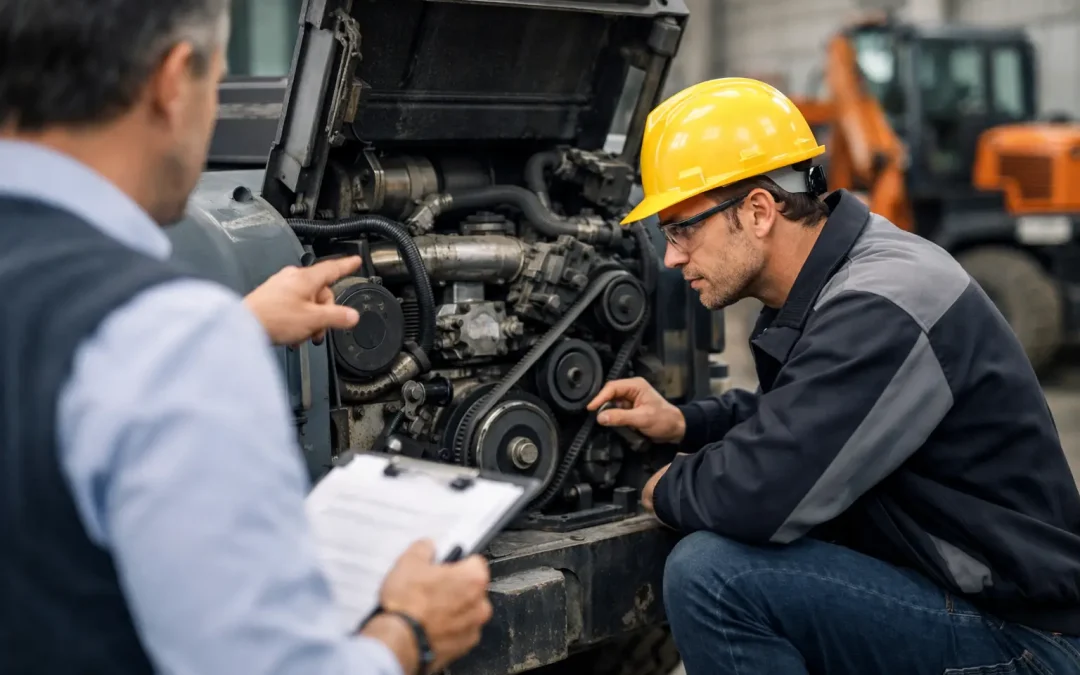
If you want to know how to buy used machinery with confidence, inspection is where confidence comes from. The ideal situation is a machine under power that can be observed running parts or at least cycled through key functions. That is not always possible, especially with surplus assets, but the more you can verify, the better.
When inspecting, focus on condition that affects real production performance. Cosmetic wear is usually less important than spindle condition, backlash, axis travel, control health, hydraulic integrity, and evidence of proper maintenance. On fabrication equipment, pay attention to ram accuracy, crowning systems, controls, guarding, and tooling compatibility. On lasers, evaluate resonator or source condition, chiller support, hours where available, and service history. On lathes and machining centers, ask about spindle hours, axis noise, lubrication systems, alarms, and any recent repairs.
Documentation adds value. Manuals, maintenance records, parameter backups, tooling lists, electrical drawings, and software information can all reduce startup delays. Missing documentation does not always kill a deal, but it should affect your risk assessment and possibly your price.
If an in-person inspection is not practical, ask for detailed videos, close-up photos, and as much operating evidence as possible. Remote buying can work well, but only when the information is complete and the seller is direct about what is known and what is not.
Match the machine to your process, tooling, and team
A used machine is only useful if your operation can support it. This sounds obvious, yet many equipment purchases create issues because the buyer focused on machine specs without looking at day-to-day workflow.
Confirm tooling compatibility early. A press brake without the right tooling package, a machining center with the wrong taper, or a lathe lacking the needed chucking setup can add cost and delay. The same goes for controls. If your operators and programmers are familiar with one control family, moving to a different system may require training and adjustment time.
Parts support matters as well. Older machines can still be excellent buys, but there is a trade-off. If critical control components or specialty parts are difficult to source, your long-term downtime risk may rise. Sometimes the right move is a newer machine with better supportability. Other times, an older model from a proven manufacturer makes sense because the price is right and your maintenance team knows how to keep it running. It depends on your internal capabilities and how critical the machine will be to production.
Understand logistics before closing the deal
Many used machinery transactions go sideways after the invoice, not before it. Freight and installation are operational issues, not afterthoughts.
Before you buy, confirm who is responsible for disconnect, rigging, loading, transport, unloading, and placement. Clarify whether the machine is sold as-is, where-is, whether it is already disconnected, and whether loading is included. These details directly affect cost and schedule.
You should also map the path from the seller’s floor to your own. Oversized loads, special permits, weather delays, and site access can all affect timing. If you are buying to replace a failed machine or support a pending contract, logistics planning needs to happen alongside the purchase decision, not after.
A good transaction partner helps coordinate those moving parts. That support is often the difference between a machine arriving ready for installation and a machine sitting on a truck while teams sort out missing details.
How to buy used machinery at auction versus dealer inventory
There is no single best channel for every buyer. Dealer inventory and auctions each have advantages, and the right choice depends on your timeline, risk tolerance, and internal resources.
Dealer inventory often works best when you need guidance, fast answers, and a smoother transaction. It can also be a better fit when you need help sourcing a specific machine, comparing alternatives, or coordinating freight and support around a tight production schedule.
Auctions can offer strong pricing opportunities, especially for surplus assets, plant closures, and bulk equipment events. The trade-off is that auctions may move faster and leave less room for extended due diligence. Buyers need to understand terms clearly, inspect quickly, and be ready to act. If your team is experienced and comfortable with that pace, auctions can be a very effective buying channel.
The key is not choosing one channel as universally better. It is choosing the path that matches your urgency, budget, and appetite for transaction complexity.
Ask the questions that prevent expensive surprises
Before you move forward, make sure you have direct answers to a few practical issues. Is the machine available now? Is it under power? What is included in the sale? Are there known issues, missing parts, or control alarms? Has it been maintained, removed, or stored? How quickly can it ship?
Those questions are not formalities. They are the difference between a clean acquisition and a purchase that absorbs time from operations, maintenance, accounting, and management before it ever produces a part.
Buying used machinery should feel like a smart capital move, not a gamble. When the machine fits the process, the condition is properly evaluated, and the transaction is handled by people who understand industrial urgency, the used market can give you exactly what manufacturers want most – more capacity, faster deployment, and stronger value from every dollar spent.
The best buys are rarely the ones with the lowest headline price. They are the ones that arrive, install, and start working when your operation needs them to.