
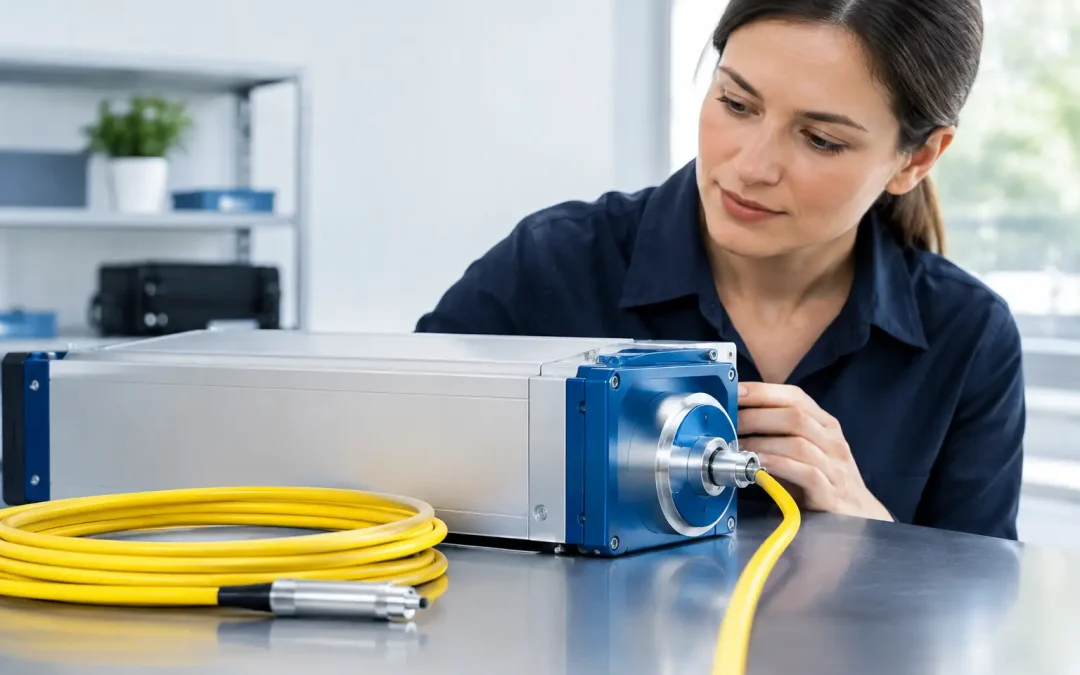
A fiber laser purchase can solve a capacity problem quickly, but the wrong machine can create a more expensive one. A shop that buys based on wattage and asking price alone may discover too late that the bed is undersized, the resonator is nearing a major service event, or the machine cannot be installed on schedule. Knowing how to source fiber lasers means matching the equipment to your material mix, production targets, facility requirements, and support plan before committing capital.
For manufacturers buying used equipment, the goal is not simply to find an available laser. It is to acquire a dependable production asset at the right price, with clear condition information and a realistic path from purchase to cut part.
Start With the Work the Laser Must Do
The most productive sourcing process begins on the shop floor, not with an equipment listing. Define the materials you cut, common thicknesses, sheet sizes, tolerances, and required throughput. Include the work you expect to win over the next 12 to 24 months, not only current jobs.
Power is a major decision, but more power is not automatically better. A 3 kW machine can be an efficient choice for thinner-gauge steel, stainless, and aluminum when speed and operating cost align with the work. A 6 kW, 10 kW, or higher-power laser may make sense when thicker plate, faster cycle times, or high-volume nesting drives profitability. Higher power can expand capacity, but it also changes electrical, gas, cooling, maintenance, and operating requirements.
Bed size matters just as much. A standard 5-foot by 10-foot table suits many fabrication shops, while 6-foot by 12-foot, 8-foot by 20-foot, and larger formats support plate processing and reduce material handling. Buying a machine with a table too small for your incoming stock can add avoidable labor and waste. Buying oversized capacity that rarely runs can tie up capital and floor space.
Also decide whether a flat-sheet laser is enough. Tube laser capability, automated load/unload systems, pallet changers, bevel heads, and tower automation can materially change output. They also add complexity. The right configuration depends on labor availability, nesting volume, unattended-operation goals, and how consistently the automation will be used.
How to Source Fiber Lasers From the Right Channels
Fiber lasers come to market through dealers, auctions, direct plant sales, OEM trade-ins, and private sellers. Each channel has a place, but each carries a different level of condition visibility, transaction support, and timing risk.
A reputable machinery dealer is often the most practical option when production timing matters. Dealers can identify machines that fit the specification, coordinate inspections, explain known condition details, arrange rigging and freight, and help buyers compare alternatives across brands and locations. This is especially valuable when a shop needs a specific machine that is not currently sitting nearby.
Online auctions can offer strong value, particularly during plant consolidations, facility closures, or surplus asset sales. The trade-off is that auction equipment is commonly sold as-is, where-is, with fixed removal windows. Buyers must complete their diligence before bidding, understand all buyer premiums and removal costs, and have rigging arrangements ready. Auctions reward prepared buyers, not last-minute decisions.
Private sales may appear attractive because the initial asking price can be lower. However, documentation may be incomplete, service history can be difficult to verify, and the seller may not have the resources to support removal or loading. A low purchase price loses its advantage quickly if the machine arrives with undisclosed issues or sits waiting for missing components.
Revelation Machinery helps buyers evaluate available used machinery through a practical, transaction-focused process that can include inventory sourcing, equipment inspections, auction opportunities, and coordinated logistics. The objective is straightforward: help manufacturers buy equipment with confidence and keep the project moving.
Evaluate the Machine Beyond the Nameplate
Recognized brands can offer a meaningful advantage in parts availability, technician access, controls familiarity, and resale value. Still, brand alone is not a condition report. Two lasers of the same model and year can have very different operating histories.
Request the machine serial number, build year, model details, operating hours, resonator information, control type, and a complete list of included accessories. Confirm whether the machine includes a chiller, dust collector, pallet changer, shuttle table, loader, unloading system, transformer, manuals, tooling, and any software licenses. These items affect both installed cost and time to production.
Service records deserve close attention. Ask about preventative maintenance, optic changes, nozzle and ceramic use, chiller maintenance, fault history, and prior repairs to the laser source, cutting head, drives, or motion system. If the seller cannot provide records, that does not automatically disqualify the machine. It does mean the price and inspection plan should reflect the uncertainty.
A live cutting demonstration is one of the best ways to assess a fiber laser. When possible, observe the machine cutting materials and thicknesses close to your actual work. Look at edge quality, pierce consistency, speed, repeatability, part accuracy, and how the machine transitions during a nested program. Review alarms and maintenance screens with a qualified technician or experienced operator present.
For a remote purchase, request recent videos that show startup, axis travel, automatic table exchange, cutting performance, and the control screen. Video is not a substitute for an inspection, but it can help determine whether a site visit is warranted.
Calculate Installed Cost, Not Just Purchase Price
The purchase price is only one part of the acquisition decision. A fiber laser often requires meaningful spending before its first production run. Build a complete installed-cost estimate that includes rigging, loading, freight, unloading, placement, electrical work, compressed air, assist gas supply, ventilation, dust collection, chiller setup, training, software, and initial consumables.
Ask for the machine’s weight, overall dimensions, utility requirements, and foundation specifications early. A laser may require high-voltage electrical service, sufficient gas storage, a dedicated exhaust path, and clear access for installation. Confirm ceiling heights, door widths, floor loading, and forklift or crane access before scheduling removal.
Freight planning should account for more than miles. Specialized machinery transportation, permits, tarping, insurance, crating, and sequencing with riggers all affect cost and schedule. If the machine is being removed from an operating plant, confirm the removal window and site rules. Missing a deadline can create storage fees or put the transaction at risk.
Verify Support Before You Need It
The right used fiber laser is one your team can keep running. Before purchase, confirm local or regional service coverage for the machine’s brand and control platform. Ask whether replacement parts are readily available, whether remote diagnostics are supported, and what typical technician response looks like in your area.
This is also the time to assess internal readiness. Does your maintenance team understand the machine’s controls, safety systems, chiller, and assist-gas setup? Will operators need programming and nesting training? Can the shop stock common consumables such as nozzles, ceramics, lenses, and protective windows?
Some older machines can still deliver excellent value when they are well maintained and supported. Others may be inexpensive because critical electronics, software, or proprietary components have become difficult to obtain. The difference should be established before the purchase order, not after a production stoppage.
Use a Clear Decision Process
When comparing several machines, use the same criteria for each option. Consider cutting capacity, condition evidence, included equipment, installed cost, service access, lead time, and expected resale value. A slightly higher-priced machine with better records, available support, and included automation may offer a lower total cost of ownership than a cheaper alternative with unknown history.
Do not let urgency eliminate diligence. If a job requires immediate capacity, consider whether a temporary subcontracting arrangement, a short-term rental option, or a lower-complexity machine can protect production while the right laser is sourced. Rushing into the wrong asset can create years of operational friction.
A good sourcing partner should answer direct questions, disclose what is known and unknown, provide responsive coordination, and help align the transaction with your timeline. The best fiber laser deal is the one that reaches your floor, performs to expectation, and gives your operation the capacity to take on profitable work without creating unnecessary risk.
Before approving the purchase, put the specification, inspection findings, included components, logistics responsibilities, and installation schedule in writing. That final discipline turns a used equipment opportunity into a controlled production investment.