
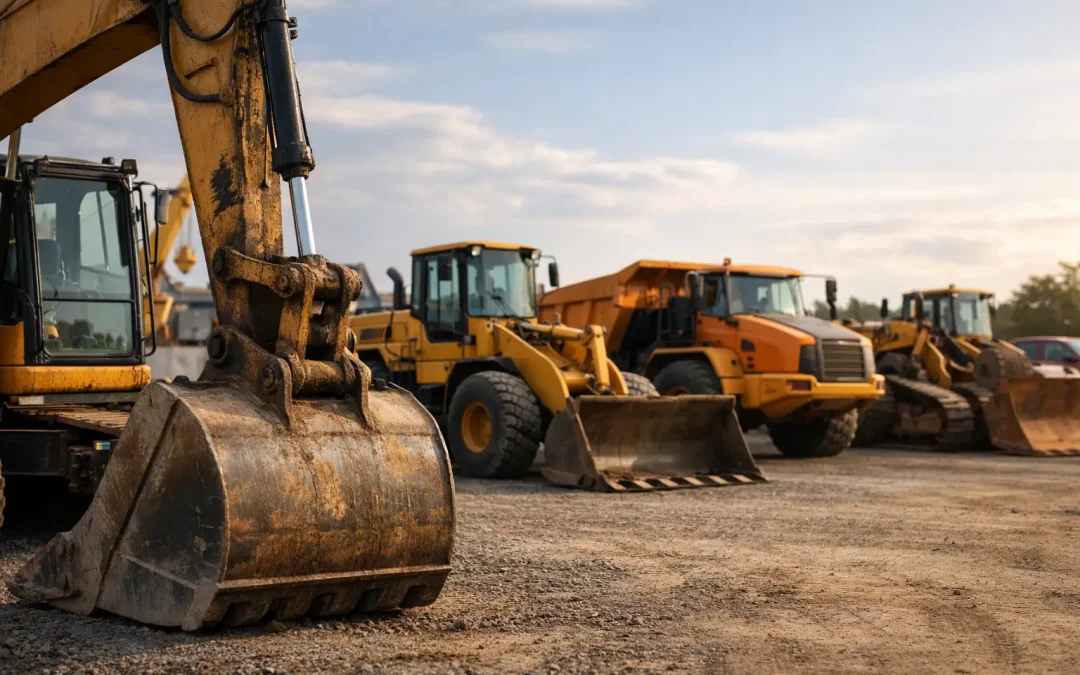
A machine that is available now can be more valuable than a new machine with a 10-month lead time. That is why used heavy equipment sales remain a practical source of capacity for manufacturers facing production deadlines, expanding order books, or an unexpected equipment failure. The right pre-owned machine can protect cash flow, shorten the path to production, and give your operation access to proven technology without waiting on a factory build schedule.
For manufacturing and fabrication businesses, however, buying used equipment is not simply a matter of finding the lowest asking price. Machine condition, controls, tooling, service history, rigging requirements, and freight all affect the real cost and readiness of an acquisition. A strong purchase begins with a clear understanding of what the machine must do on your floor.
Start With the Production Requirement
Before reviewing available equipment, define the production constraint you need to solve. Is a vertical machining center needed to take pressure off an overloaded cell? Does a press brake need additional tonnage, bed length, or tooling capacity? Are you replacing a legacy CNC lathe because controls are no longer supportable, or adding a fiber laser to bring outsourced work in-house?
This step sounds basic, but it prevents expensive compromises. A machine may look like a strong value until you discover it lacks the spindle speed, axis travel, control package, electrical configuration, or automation compatibility your work requires. The lowest-priced machine is not a bargain if it creates a second bottleneck downstream.
Document the specifications that are non-negotiable, then identify where you have flexibility. For example, a shop may require a 60-inch X-axis travel and through-spindle coolant but be open to several brands or model years. That flexibility can materially improve availability and pricing.
Separate Must-Haves From Nice-to-Haves
A practical buying decision comes down to the workpiece, tolerance requirements, material type, production volume, and expected cycle time. From there, evaluate the machine envelope, spindle or tonnage capacity, tooling, workholding, control generation, and available options.
Features such as pallet changers, bar feeders, rotary tables, automation interfaces, laser loaders, and probing systems can deliver real value. They also add complexity. Buy them when they support a defined production plan, not because they appear attractive on a spec sheet.
What to Verify Before Buying Used Heavy Equipment
The condition of a used machine is more than its appearance. Equipment can be clean, painted, and powered on while still carrying hidden issues that affect accuracy, uptime, or installation cost. Experienced buyers look beyond cosmetic condition and ask direct questions about how the machine was used, maintained, and removed from service.
Request available documentation, including service records, maintenance logs, control backups, manuals, electrical schematics, and machine specifications. If the equipment is under power, ask for a demonstration that reflects the functions most relevant to your application. On CNC equipment, that may include spindle operation, axis movement, tool changes, coolant function, alarms, and control responsiveness.
A machine inspection should also consider wear items and components that can be costly to repair. Depending on the equipment category, these may include spindle condition, way covers, ball screws, hydraulic systems, pumps, chucks, turrets, electrical cabinets, safety systems, and laser source hours. A qualified technician can help assess risk when the transaction involves a high-value machine or a process that leaves little room for downtime.
Condition always needs context. A well-maintained 15-year-old machine from a stable production environment may be a better fit than a newer machine that ran continuously in a demanding application. The goal is not to avoid every risk. It is to understand the risk, price it appropriately, and make a decision with clear expectations.
Evaluate the Total Acquisition Cost
Purchase price matters, but it is only one part of the capital decision. A machine that costs less upfront may require substantial work before it produces a sellable part. Build a complete budget that accounts for the equipment, buyer’s premium when applicable, taxes, rigging, loading, freight, unloading, installation, electrical work, foundations, tooling, controls support, and operator training.
Freight and rigging deserve particular attention. Heavy machinery can require specialized handling, permits, cranes, machinery movers, and coordinated delivery schedules. A machine’s dimensions and weight affect both transport cost and whether it can physically reach its final location. Door openings, ceiling height, floor loading, utility access, and route clearance should be checked before the equipment leaves the seller’s facility.
There is also a timing cost. If a machine requires significant repair or a long controls retrofit, calculate how that delay compares with the value of faster production. In some cases, a higher-priced machine that is under power, properly documented, and ready for shipment is the lower-risk purchase.
Consider Controls and Long-Term Serviceability
Controls can determine whether a machine remains useful for years or becomes difficult to support. Ask what control is installed, whether backups are available, and whether local technicians can service it. Older controls are not automatically disqualifying, particularly when the machine is well maintained and the application is straightforward. But replacement parts, software support, and operator familiarity should be part of the decision.
For a machine that will become central to production, the availability of technical support and replacement components may justify a newer generation of equipment. For secondary work, prototype capacity, or a dedicated single-purpose operation, an older and simpler machine may offer a very efficient return.
Choose the Right Buying Channel
Used machinery is commonly purchased through dealer inventory, direct sales, and online auctions. Each route can work well, but they offer different levels of speed, inspection opportunity, pricing structure, and transaction support.
Dealer inventory is often the best fit when you need help matching equipment to an application, coordinating inspection, arranging freight, or finding a specific machine quickly. A knowledgeable dealer can also source equipment beyond what is currently listed, which matters when your requirements are narrow or you need a recognized brand with specific options.
Auctions can create strong purchasing opportunities, especially during plant closures, consolidations, or surplus asset sales. They reward preparation. Review the terms, inspection windows, removal deadlines, buyer’s premium, and payment requirements before bidding. Know your maximum all-in price before the auction starts, and do not assume a low opening bid reflects the final acquisition cost.
Revelation Machinery combines nationwide inventory, online auctions, and responsive equipment sourcing to help manufacturers move from requirement to purchase with less friction. That support is especially valuable when an urgent production need leaves little time to sort through incomplete information or coordinate multiple vendors.
Used Heavy Equipment Sales Also Create Value for Sellers
A productive asset can become surplus quickly after a product change, acquisition, relocation, or plant closure. When that happens, sellers need more than a listing. They need a realistic assessment of market demand, a clear sale strategy, and a process that does not distract the team responsible for keeping the facility running.
The right sales path depends on the equipment, its condition, and the timeline. A direct sale may be the better choice for in-demand machines with broad appeal. Consignment can expand market exposure without requiring a rushed disposition. An auction can be effective when a facility has multiple assets, a firm removal date, or a need to move equipment in an organized, transparent event.
Preparation affects recovery value. Gather specifications, photos, serial numbers, service history, tooling details, and records of upgrades before marketing equipment. If possible, keep machines powered and accessible for inspection until sold. Clear, accurate information gives qualified buyers confidence and reduces delays after an offer is made.
Move Quickly, But Do Not Buy Blind
The used equipment market moves fast because available machines are often unique. A specific make, model, table size, control, or option package may not appear again for months. Speed matters, but a disciplined process matters more.
When a machine matches your core requirements, verify condition, confirm total cost, validate installation needs, and establish a realistic delivery plan. Those few steps turn urgency into a controlled capital decision. The right used machine should not merely fill floor space. It should create dependable capacity, support your people, and keep work moving when your customers need it most.