
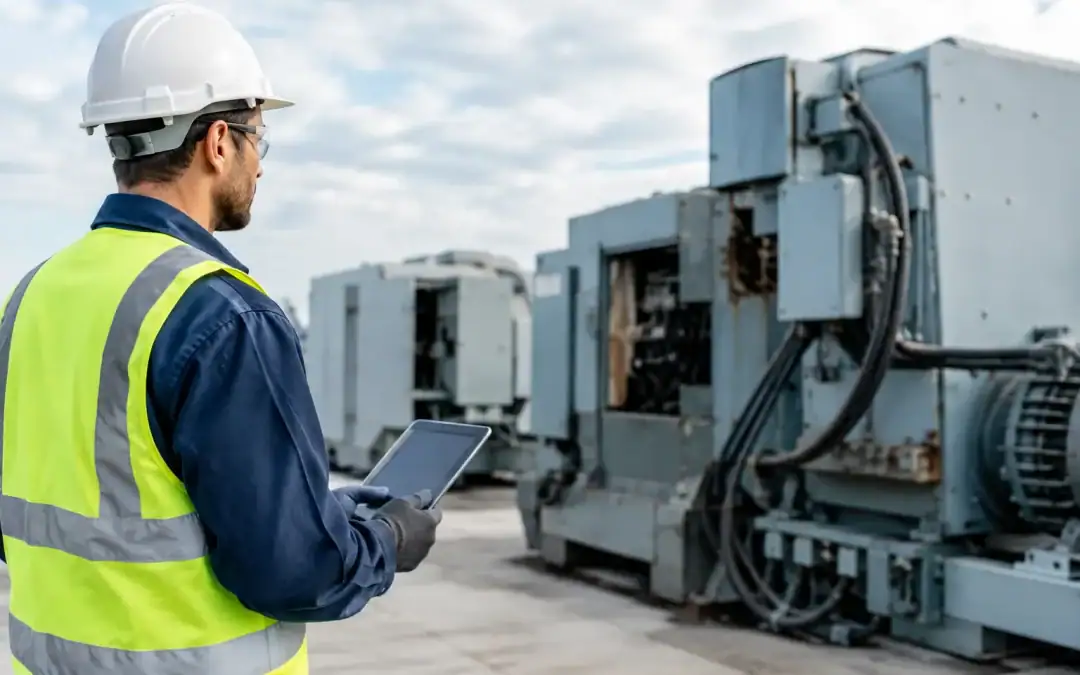
A machine can look like an idle line item on a plant floor, but it may still represent significant recoverable value, operational risk, and scheduling pressure. Strong equipment decommissioning best practices turn a shutdown, replacement, consolidation, or closure into a controlled business process – not a last-minute removal project.
For manufacturers, fabricators, and processors, the goal is rarely just to get equipment out of the building. The real objective is to protect people and production, preserve the machine’s resale value, document assets accurately, and clear the facility on a schedule that supports the next operational move.
Start With a Decommissioning Plan, Not a Removal Date
A removal date is only one milestone. Before riggers arrive or listings go live, define what equipment is leaving, why it is leaving, who owns each decision, and what must remain running until the final cutover. This is particularly important when a plant is replacing CNC machinery, press brakes, lasers, packaging systems, or supporting equipment that shares utilities with active operations.
Build the plan around the business outcome. A single surplus machine may be best handled through a direct sale. A larger group of assets from a consolidation or plant closure may call for an organized auction or broader liquidation strategy. The right route depends on the equipment type, condition, market demand, timing, and whether the seller needs certainty, speed, or maximum exposure.
At minimum, establish a working inventory, a removal sequence, required approvals, utility-disconnect responsibilities, and a site-clearance deadline. Give one person authority to coordinate production, maintenance, EHS, facilities, finance, and the equipment buyer or liquidation partner. Unclear ownership is one of the most common sources of delay.
Document Equipment Before It Is Disconnected
A machine’s condition is easiest to verify while it is powered, installed, and operating in its normal environment. Once disconnected, details can be lost, accessories can be separated, and a buyer may have less confidence in what they are purchasing.
Capture the manufacturer, model, serial number, year, controls, specifications, installed options, and major upgrades. Photograph the machine from all sides, including the control, electrical cabinet, nameplates, tooling, chip conveyor, coolant system, and any included peripherals. If the equipment runs, record video of it operating and note what material or part family it has been producing.
Maintenance records, service history, manuals, electrical prints, and calibration documentation can materially improve buyer confidence. They also help a qualified dealer assess value accurately. Be direct about known issues. A disclosed fault is manageable; an undisclosed condition discovered after removal can slow a transaction and create avoidable friction.
Keep accessories tied to the correct asset. Toolholders, chucks, bar feeders, transformers, loaders, dust collectors, hydraulic units, spare parts, and proprietary software may have substantial value, but only if they are clearly identified and remain with the equipment intended for sale.
Protect Safety and Environmental Compliance
Decommissioning is a safety event, not simply a logistics task. Equipment can retain electrical energy, hydraulic pressure, pneumatic pressure, heat, chemicals, or moving components after production stops. Follow site lockout/tagout procedures and confirm that only qualified personnel disconnect electrical, gas, air, water, hydraulics, and process lines.
Before removal, identify materials that require controlled handling. These can include used coolant, lubricants, hydraulic fluid, batteries, refrigerants, oils, filters, chemical residues, and certain electronic components. Requirements vary by machine type, facility location, and material, so coordinate with your EHS team and local disposal providers rather than assuming a rigger or buyer will handle every item.
The removal path deserves the same attention as the machine itself. Verify floor loading, ceiling clearance, dock access, door dimensions, travel routes, forklift capacity, crane requirements, and traffic separation from active employees. A detailed site walk with the rigging team can prevent damage to equipment, building infrastructure, and nearby production lines.
Sequence the Work Around Production Continuity
Equipment decommissioning often happens while the rest of the facility is still producing. That changes the plan. A fast removal that interrupts a critical cell, blocks receiving, or disconnects a shared compressor may cost more than a carefully staged move.
Start with equipment that is fully out of service and physically independent. Schedule shared utilities and tightly integrated machinery after replacement equipment is commissioned or production has been relocated. If a line must stay live until the final day, establish a clear handoff point: final production run, quality release, data backup, cleanout, utility isolation, and release for removal.
There is a trade-off between removing equipment early and retaining it as a contingency asset. Early removal can free floor space and reduce carrying costs. Keeping the machine longer can protect against startup problems with replacement capacity. The best choice depends on your production risk, available space, and the market value lost by delaying a sale.
Preserve Value During Equipment Decommissioning
Clean, complete, well-documented equipment is easier to market and generally commands stronger buyer interest. That does not mean investing heavily in cosmetic work that will not produce a return. It means handling the basics that demonstrate care and make accurate evaluation possible.
Remove chips, wipe down accessible surfaces, drain fluids where appropriate, secure loose components, and protect sensitive controls during transport. Do not scrap tooling, electrical components, manuals, or auxiliary equipment until their value has been assessed. In many cases, an accessory package makes a used machine far more attractive than the base machine alone.
Avoid irreversible decisions too early. Cutting cables, removing controls, separating matched components, or stripping parts for another machine can reduce resale options. If the machine is headed to market, document its as-installed condition before any work begins and confirm what should travel with it.
A knowledgeable equipment partner can help distinguish between assets with resale demand and assets better suited for scrap or parts recovery. That distinction matters because disposal costs, transportation costs, and market demand can vary widely between a late-model machining center and an obsolete, incomplete production asset.
Choose a Sales Strategy That Matches the Asset and Timeline
Not every asset should be sold the same way. A direct purchase can provide speed and a defined outcome for desirable equipment. Consignment may make sense when a seller can allow more time for the right buyer. An online auction can create competitive activity for a broad group of surplus assets, especially during a facility consolidation or closure.
Transparency drives better decisions. Provide accurate descriptions, clear photos, operating status, loading requirements, and realistic removal windows. Buyers need enough information to price transportation, installation, repairs, and risk. Sellers need a process that makes responsibilities clear before equipment is awarded or released.
For large projects, evaluate the full recovery picture instead of focusing only on the highest bid for one machine. Consider marketing reach, buyer qualification, payment timing, removal management, facility-clearance support, and the likelihood that the project stays on schedule. A slightly higher headline price is not always the better result if it creates delays or leaves the seller responsible for abandoned assets.
Coordinate Rigging, Shipping, and Site Release
Equipment sale and equipment removal are related, but they are not the same job. Define who is responsible for rigging, loading, shipping coordination, packaging, insurance, permits, and repair of any site damage. Confirm whether the buyer’s rigger meets your facility’s safety and insurance requirements before equipment is released.
Use a written release process. Verify payment, confirm the approved removal window, document the machine’s condition at handoff, and obtain signoff once the asset and associated accessories have left the site. For a major project, maintain a live removal tracker so the team can see what has been sold, disconnected, removed, and still requires action.
After each removal, inspect the area. Check for fluid spills, exposed utilities, floor openings, anchors, debris, and damage that could affect the next phase of operations. Final site release should confirm that the space is safe, clean, and ready for its intended use.
Build Repeatable Equipment Decommissioning Best Practices
The strongest programs improve with every project. After a sale, shutdown, or plant move, review what created delays, what equipment data was missing, where accessories were lost, and whether the removal sequence affected production. Those lessons can become a repeatable checklist for future capital replacements and surplus events.
Revelation Machinery helps manufacturers turn surplus and idle machinery into a practical recovery opportunity through direct equipment sales, consignment, and online auctions. The right support can reduce the burden on plant teams while keeping the process transparent from asset review through final removal.
When equipment is ready to leave the floor, act while its history, condition, and supporting documentation are still available. A disciplined process protects the facility today and gives the next owner confidence to put that equipment back to work.