
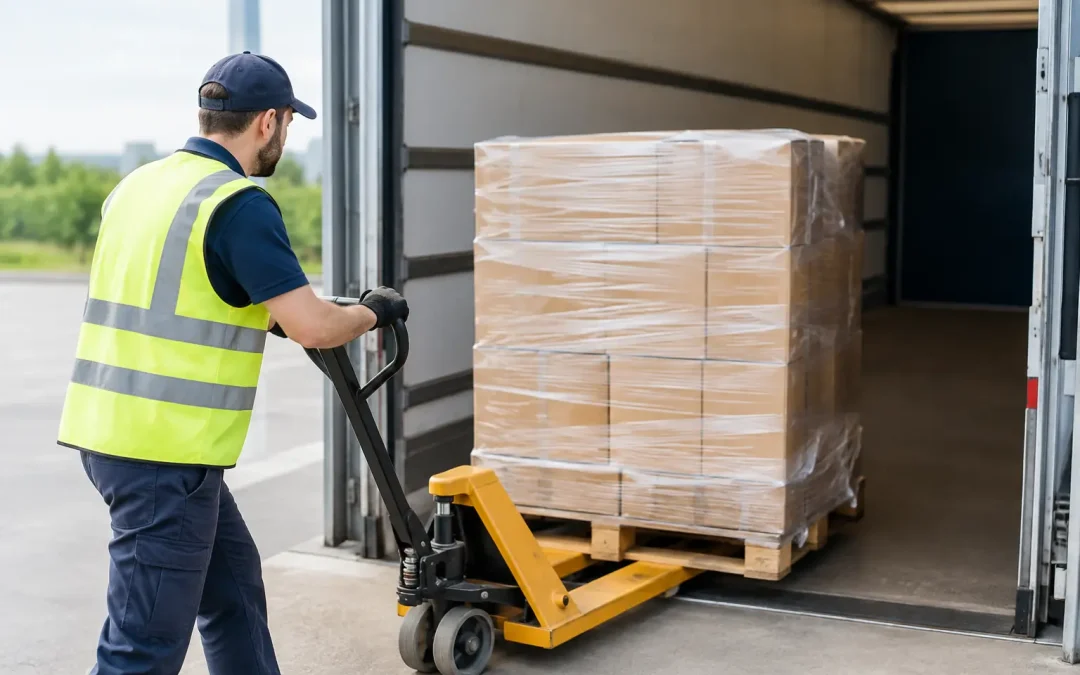
A machine sale can look straightforward until the truck arrives. The question of who handles equipment loading affects cost, safety, pickup timing, insurance exposure, and whether a production floor can keep operating until the equipment leaves. For a CNC lathe, press brake, fiber laser, or vertical machining center, loading is not simply a freight task. It is a coordinated rigging and logistics operation with clear responsibilities that should be established before the equipment is purchased or sold.
Who Handles Equipment Loading? It Depends on the Agreement
In most used machinery transactions, the buyer is responsible for arranging and paying for equipment loading, rigging, and freight unless the seller or equipment dealer specifically agrees otherwise. This is common because loading requirements vary widely by machine, site conditions, distance to the dock or door, available lifting equipment, and the carrier’s capabilities.
That said, responsibility can shift based on the terms of sale. A seller may offer loaded-on-truck service, particularly when a plant has an in-house maintenance team, overhead cranes, or an established rigging contractor. A machinery dealer may coordinate loading as part of a full-service transaction. For auction purchases, the auction terms usually state whether the buyer must hire a rigger, use an approved rigging company, or meet a removal deadline.
The critical point is simple: never assume loading is included in the purchase price. Confirm it in writing before funds change hands and before dispatching a carrier.
Separate the Roles Before Pickup Day
Industrial equipment moves safely when each party understands its role. The buyer typically selects the freight method, approves the rigging quote, and confirms delivery requirements. The seller provides accurate machine information, access to the facility, and disclosure of site rules or removal restrictions. The rigger performs the physical disconnect, lifting, skidding, loading, and securement work within the scope agreed upon.
The carrier then transports the load. A carrier is not automatically a machinery rigger. Many flatbed, step-deck, and specialized heavy-haul carriers can transport a machine after it is loaded and secured, but they may not have the personnel, cranes, forklifts, skates, or insurance coverage needed to remove it from a building.
When Revelation Machinery coordinates a transaction, the goal is to make these handoffs clear early. Buyers and sellers benefit from knowing whether the quote covers disconnect, loading, freight, unloading, installation positioning, or only one part of that process.
What the Seller Usually Handles
The seller’s responsibilities often begin with providing accurate information. This includes machine make and model, approximate weight, dimensions, power requirements, floor location, door dimensions, and any attachments or tooling included in the sale. Photos and videos are useful, but they do not replace a proper site assessment when a large or complex machine is involved.
Sellers also need to provide access. That may mean coordinating with plant security, reserving a loading bay, clearing a travel path, identifying utility shutoffs, and communicating rules for personal protective equipment. If the equipment remains connected to electrical, air, gas, hydraulic, coolant, dust collection, or automation systems, the seller should clarify who is authorized to disconnect those services.
A seller who is closing a facility or clearing a production line may choose to manage all loading activity. This can simplify the buyer’s experience, but it also places more coordination responsibility on the seller and their rigging partner.
What the Buyer Usually Handles
Buyers commonly arrange a qualified machinery rigger and the appropriate carrier. They should verify that the selected vendors understand the machine type and the pickup conditions, not just the shipping distance. Moving a 12,000-pound machining center out of a ground-level building is different from removing a 60,000-pound press brake from a congested plant with limited clearance.
The buyer should also confirm who accepts responsibility after loading. In many transactions, risk shifts when the machine is loaded onto the buyer’s truck. However, the exact point of transfer should be documented in the purchase agreement, bill of sale, or auction terms.
At the destination, the buyer is generally responsible for unloading, positioning, leveling, reconnecting utilities, and commissioning the machine unless those services are included separately. Planning only for pickup can create an expensive delay when the equipment arrives and there is no qualified crew or suitable unloading area waiting for it.
Why Rigging Is Different From Standard Freight
A qualified industrial rigger does more than lift heavy equipment. The crew evaluates the center of gravity, determines lifting points, protects sensitive components, manages floor loading, and selects the correct crane, forklift, gantry, skates, or hydraulic lifting system. They also consider whether the machine needs to be blocked, braced, partially disassembled, or protected from weather during transit.
For example, a fiber laser may require special attention to its laser source, chiller, motion components, and ancillary equipment. A CNC machine may need transit brackets installed, fluids drained or stabilized, and moving axes secured. A press brake may demand a route that accounts for both its weight and its long, awkward footprint.
Choosing the lowest freight quote without confirming rigging capability is a common mistake. A low transport rate can quickly become irrelevant if the truck arrives without a realistic plan for loading or if the site requires equipment that was never included in the quote.
Questions to Settle Before Equipment Is Released
Before scheduling pickup, the buyer, seller, dealer, rigger, and carrier should have the same answer to a few operational questions. These details prevent disputes and avoidable downtime:
- Is the machine disconnected, drained, and ready for removal, or does the rigger need to perform those services?
- What are the verified dimensions and weight of the machine, control cabinet, transformer, chip conveyor, tooling, and accessories?
- Is there an overhead crane, loading dock, forklift, dock-height door, or direct ground-level exit available?
- Are there stairs, narrow aisles, low door openings, floor drains, suspended utilities, or restricted travel routes?
- Which party supplies rigging labor, lifting equipment, dunnage, tarps, blocking, and load securement?
- What are the pickup hours, required certificates of insurance, safety rules, and final removal deadline?
A site visit is often worthwhile for large machinery, complex facilities, or equipment located in an active production area. The cost of an assessment is small compared with a failed pickup, damaged machine, production interruption, or a truck sitting on site while the scope is renegotiated.
Loading Terms to Watch in Equipment Sales and Auctions
Terms such as “as is, where is” and “buyer responsible for removal” are especially important in used machinery sales. “As is” generally addresses the condition of the equipment. “Where is” means the buyer takes possession at the current location and is responsible for moving it from that site unless the agreement states otherwise.
“Loaded on truck” is more specific, but it still requires clarification. Ask whether it includes only lifting the machine onto the trailer or also disconnecting utilities, placing the machine on dunnage, securing it for transit, loading accessories, and providing a bill of lading. It may also matter whether the seller’s crew will load only a particular trailer type.
Auction buyers should pay close attention to removal windows. A machine may be purchased at an attractive price, but the economics change if it must be removed within a few days, during limited hours, using only an approved rigger. Build removal costs and timing into the bid decision, not after the auction closes.
How to Build a Better Loading Plan
Start planning as soon as a machine is identified for purchase or sale. Collect the machine’s specifications, request recent photos, and identify every component included in the transaction. Then share the information with a machinery rigger and carrier before committing to a pickup date.
For sellers, preparation protects value. Clear access routes, label included components, gather manuals, and identify any issues that could affect removal. If the machine is still producing parts, coordinate the final production schedule with the removal plan so the plant does not lose unnecessary operating time.
For buyers, choose vendors based on relevant experience and clear scope, not transportation price alone. Ask for proof of insurance, confirm who will be the on-site point of contact, and make sure the delivery facility is ready before the load departs. Good communication is the fastest way to prevent an avoidable delay.
The right answer to who handles equipment loading is the party named in a clear agreement, supported by a qualified rigger and a realistic plan. When responsibilities are defined before pickup day, machinery can move out of one facility and into productive service at the next without unnecessary surprises.