
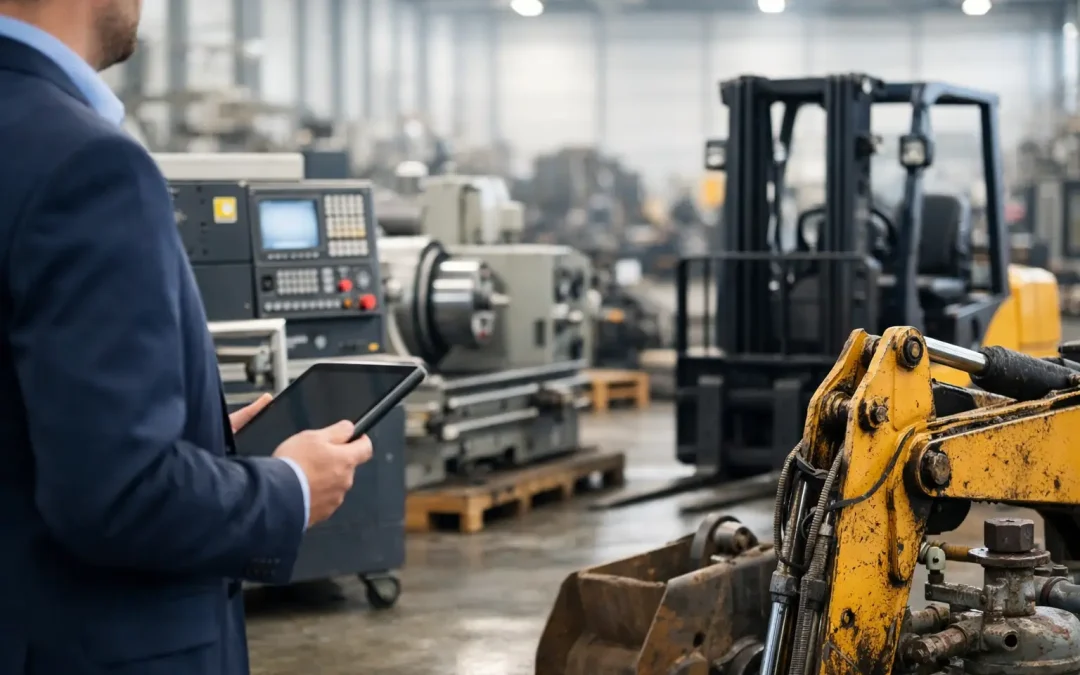
If a CNC machine, press brake, packaging line, or process asset is sitting idle on your floor, it is tying up capital and taking up space. The real question is not just where to sell used industrial equipment, but which sales channel will produce the best return with the least disruption to your operation.
That answer depends on your timeline, the condition of the equipment, the size of the asset package, and how much internal effort your team can dedicate. A plant manager clearing one surplus machine has different priorities than a corporate team liquidating an entire facility. The right path balances speed, value, and certainty.
Where to sell used industrial equipment depends on your goals
Most sellers have three priorities, but one usually outweighs the others. They want the highest possible price, a fast sale, or a low-friction process. You can usually optimize for two, but rarely all three at once.
If your business can wait for the right buyer, a targeted resale approach may deliver the strongest value. If you need equipment off the floor quickly to make room for new capacity, a direct purchase or accelerated sale may make more sense. If you are handling multiple assets across categories, an auction or managed liquidation often creates the cleanest process.
That is why the best selling channel is not universal. It depends on whether you are moving a late-model vertical machining center, older fabrication equipment, surplus packaging systems, or an entire line with installation and removal constraints.
The main channels for selling used equipment
Selling to a used equipment dealer
For many manufacturers, this is the most practical option. An established dealer can buy equipment outright or help place it through a resale network. This route is often the fastest because the dealer already understands current market demand, likely pricing ranges, freight considerations, and how to market the machine to qualified buyers.
The trade-off is straightforward. A direct dealer purchase usually provides speed and certainty, but not always the highest top-line price compared with waiting for an end user. In return, you reduce internal workload, shorten the sales cycle, and avoid dealing with unqualified inquiries.
This option works especially well for common, in-demand assets such as CNC lathes, machining centers, fabrication machinery, packaging equipment, forklifts, and other equipment with active secondary markets.
Selling on consignment
Consignment can be a strong fit when your equipment has good marketability and you are not forced into an immediate sale. In this model, a dealer markets the equipment on your behalf and takes a fee or commission once it sells.
The upside is potential value. Because the equipment is marketed to end users and existing buyers, the selling price can be stronger than a quick cash purchase. The downside is time. A consignment sale may take longer, and the final timing depends on buyer demand, machine specifications, pricing, and condition.
For sellers who want professional support but are willing to wait for the right buyer, consignment offers a practical middle ground.
Selling through an auction
Auctions are often the right move when speed, volume, or certainty of disposition matters more than maximizing each individual asset. They are especially effective for plant closures, line changes, bankruptcy situations, business consolidations, and broad surplus reduction.
A well-run auction creates urgency and competitive bidding. It also gives you a defined timeline. That matters when a building must be vacated, a lender needs recovery, or a production transition is already underway.
Auctions do come with trade-offs. Some assets outperform expectations, while others may sell below what a patient private sale could have achieved. Results depend heavily on the type of equipment, how it is presented, market conditions, and the quality of bidder outreach.
Listing equipment yourself on marketplaces
Some sellers try online marketplaces or classified equipment platforms first. This can look attractive because it appears to reduce fees and preserve pricing control. In reality, it often creates more work than expected.
You need accurate specifications, strong photos, realistic pricing, and time to manage calls, emails, inspections, negotiations, loading questions, and payment risk. For experienced sellers with one highly desirable machine, this can work. For most operations teams, it becomes a distraction from production and day-to-day priorities.
Self-listing tends to be least effective when equipment is highly specialized, older, incomplete, or difficult to ship. It also increases the chance of stalled deals and unqualified buyers.
How to choose where to sell used industrial equipment
Before selecting a sales path, start with a practical review of the asset and the business situation around it. The right decision usually becomes clearer once you assess five factors.
First is market demand. Late-model, well-known brands in active categories generally have more selling options. A 5-axis CNC machine from a recognized manufacturer will attract a different level of buyer interest than a niche piece of process equipment with limited applications.
Second is condition. Equipment that is under power, well maintained, and documented typically sells faster and for more money. Missing tooling, unclear maintenance records, or unknown operating condition can narrow the buyer pool quickly.
Third is timing. If a new machine is arriving in two weeks, you may value speed over price. If the equipment is already disconnected and in storage, you may have more room to pursue a longer sales cycle.
Fourth is scope. One machine can often be handled through direct resale or dealer purchase. A full shop liquidation is different. Multiple asset types, rigging coordination, lotting strategy, and buyer outreach all become more complex as project size increases.
Fifth is internal bandwidth. Even sophisticated manufacturers do not always have the time to field buyer questions, validate offers, arrange inspections, and coordinate removal. If your operations team is already stretched, a managed sale can save more than it costs.
What serious buyers and dealers need from sellers
If you want a stronger outcome, the preparation matters. Equipment sells better when the information is complete and credible.
Start with the basics: manufacturer, model, serial number, year if known, location, and current condition. Add detailed specifications, control type, hours if available, included tooling or accessories, and whether the machine can be inspected under power. Clear photos are essential, and videos can help for higher-value assets.
It also helps to be realistic about pricing. Many sellers anchor to replacement cost or what they paid years ago. The market does not. Used equipment value is driven by current demand, age, brand reputation, condition, and how easily the machine can be installed and put back into service.
If removal timing is tight, disclose that early. If there are loading limitations, missing components, or environmental requirements, surface them upfront. Transparency builds trust and avoids delays later in the transaction.
When a dealer or auction partner is the better choice
There are situations where professional support is not just convenient, but necessary. Plant closures, lender recoveries, mergers, line shutdowns, and multi-site consolidations usually require more than a simple listing.
In those cases, sellers need valuation guidance, coordinated marketing, inspection management, buyer screening, payment handling, and removal oversight. They also need a partner who can move quickly and adapt to changing timelines. A slow response can mean extended carrying costs, delayed real estate turnover, or missed recovery targets.
That is where a nationwide dealer and auction company can create real value. A hybrid model that offers direct purchase, consignment, and auction services gives sellers more flexibility than a one-channel approach. Revelation Machinery, for example, works with manufacturers across the country to match the sales method to the asset, timeline, and recovery objective rather than forcing every project into the same format.
Common mistakes that reduce sale value
The biggest mistake is waiting too long. Equipment values usually weaken, not improve, once a machine becomes non-essential and sits unused. Delays often lead to missing parts, dead controls, expired deadlines, and lower buyer confidence.
Another common issue is poor documentation. If buyers cannot verify what the machine is, how it is configured, or whether it runs, they will price in risk. That almost always means lower offers.
Overpricing is another problem. An unrealistic ask can leave a machine sitting on the market while serious buyers move on to better-positioned alternatives. A realistic number attracts attention and can create competitive interest.
Finally, many sellers underestimate the value of process. Payment security, inspection coordination, rigging, and freight are not side details. They are part of the transaction. A buyer may agree on price, then disappear when logistics become difficult.
The best place to sell is the one that fits your operational reality
There is no single answer to where to sell used industrial equipment because every seller is balancing a different combination of urgency, value, and internal capacity. Direct dealer sales are often best for speed. Consignment can make sense for maximizing value. Auctions are powerful when timeline and volume matter. Self-listing can work, but usually demands more time and risk tolerance than expected.
The strongest results come from matching the asset to the right channel early, presenting it accurately, and working with people who understand industrial equipment markets. When capital is tied up in surplus machinery, waiting rarely helps. A clear plan and a responsive sales partner usually do.