
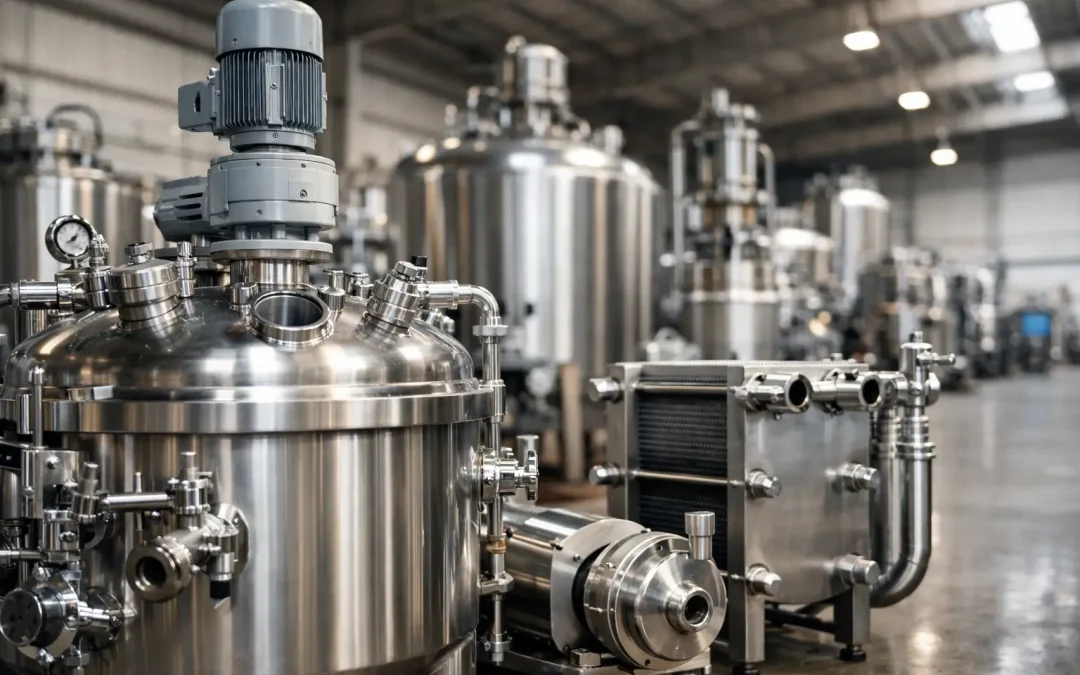
A production line waiting on one critical mixer, pump, tank, or packaging component does not have time for a vague listing or a slow response. When evaluating used process equipment for sale, the real question is not simply whether the price is attractive. It is whether the equipment can be verified, moved, installed, and put to work without creating a new bottleneck for your operation.
For manufacturers, processors, and packaging operations, pre-owned equipment can be a smart capital decision. The right machine can add capacity, replace a failed asset, support a new product run, or keep a plant expansion on schedule at a fraction of the cost of buying new. The key is treating the purchase as an operational decision, not just a used-equipment transaction.
Why Used Process Equipment Makes Business Sense
New process equipment often comes with long lead times, high acquisition costs, and limited flexibility when an operation needs capacity now. Used equipment can shorten the path from need to production, particularly when a buyer knows the required specifications and can act quickly on available inventory.
The financial advantage is straightforward. Buying pre-owned equipment may preserve capital for tooling, materials, labor, facility upgrades, or automation. For an established operation, it can also provide a practical way to standardize around equipment already familiar to maintenance teams and operators.
Speed can be just as valuable as price. A food processor replacing a failed conveyor, a chemical operation adding tank capacity, or a packaging line preparing for a seasonal surge may not be able to wait months for a factory build slot. Available used equipment can offer a faster route, provided condition, compatibility, and logistics are handled carefully.
That said, used is not automatically the right answer. A highly specialized process, strict sanitary requirements, uncommon utility demands, or a need for current controls may justify new equipment or a rebuild. The best decision depends on the cost of downtime, the availability of parts, the required production volume, and the total cost to place the asset into service.
Start With the Process, Not the Listing
A broad search for used process equipment for sale can produce hundreds of options. Narrowing the search starts with defining what the equipment must do in your plant.
Document the essentials before requesting pricing: required throughput, product characteristics, temperatures and pressures, material compatibility, utility requirements, physical footprint, electrical specifications, and control needs. For equipment that touches product, determine whether stainless construction, sanitary fittings, clean-in-place capability, specific finishes, or traceable material records are required.
This step prevents a common and expensive mistake: purchasing equipment that appears similar but cannot handle the actual application. A tank may have adequate volume but the wrong agitation design. A pump may fit the line but be unsuitable for viscosity or solids content. A heat exchanger may be sized for the duty but lack the required pressure rating.
If the equipment will integrate into an existing line, collect photographs, dimensions, connection details, drawings, and control information from the current installation. A little clarity at the front end makes it easier for an equipment partner to identify viable options and rule out poor fits quickly.
What to Verify Before You Buy
Used process equipment has a history. That history is not necessarily a problem, but it should be understood. Reliable sellers provide clear information about what is known, what has been inspected, and what still needs confirmation by the buyer.
Begin with the equipment identity. Confirm the manufacturer, model, serial number, approximate year, capacity, and included components. Ask whether controls, motors, reducers, pumps, drives, guards, instrumentation, manuals, spare parts, or auxiliary equipment are included in the sale. An attractive price can change quickly when essential components are missing.
Condition matters beyond cosmetic appearance. Review available inspection details, maintenance records, operating history, and photographs of critical areas. For mixers and agitators, look at shaft condition, seals, bearings, gearbox operation, and blade configuration. For tanks, consider interior condition, weld quality, jacket integrity, and fittings. For pumps, assess seals, impellers, casing wear, and motor condition. For conveyors and packaging equipment, verify belts, rollers, controls, guarding, sensors, and drive systems.
When practical, a powered inspection or demonstration is valuable. If equipment is not under power, the listing should clearly state that fact. Buyers should also understand the difference between equipment that is operational at removal, equipment that has been tested, and equipment sold as-is where-is. Each scenario carries a different level of risk and should be reflected in the price and purchase plan.
Price the Full Project, Not Just the Asset
The purchase price is only one line item. The installed cost of a used machine may include rigging, loading, freight, unloading, storage, installation, electrical work, piping, controls integration, cleaning, repairs, and startup support.
This does not mean used equipment loses its value. It means disciplined buyers compare complete project costs. A lower-priced asset located across the country may still be the best option if it is immediately available and requires minimal modification. In another case, a slightly higher-priced machine with documented condition and local access may reduce freight expense, installation risk, and downtime.
Be realistic about refurbishment. Replacing wear components can be sensible, especially when the base machine is from a recognized manufacturer with available parts. Major mechanical work, obsolete controls, extensive corrosion, or uncertain sanitary history can change the equation. An experienced equipment dealer can help distinguish a manageable refresh from a project that absorbs time and capital without delivering dependable output.
Buying From Inventory, Auctions, and Direct Sellers
There are several ways to acquire process equipment, and each suits a different purchasing situation.
Dealer inventory is often the best fit when speed, equipment sourcing support, and transaction coordination matter most. A nationwide dealer can provide access to a broader pool of assets while helping buyers compare options, coordinate inspection, and manage freight or rigging requirements.
Online auctions can offer meaningful value for buyers who understand the equipment and can move decisively. Auctions are especially relevant when plants are consolidating, closing, or liquidating surplus assets. However, auction buyers need to review terms carefully, understand removal deadlines, account for buyer premiums where applicable, and plan logistics before bidding. A winning bid is only the beginning of the project.
Direct-from-owner purchases can work well when a buyer has confidence in the equipment and transaction. The trade-off is that documentation, inspection access, loading support, and payment structure can vary widely. For critical equipment, a professional intermediary can reduce friction and provide a clearer path from quote to delivery.
Logistics Can Protect or Erase the Savings
Process equipment is often bulky, heavy, delicate, or difficult to access inside an operating facility. Freight should never be an afterthought. Before purchase, confirm dimensions, weight, pickup location, loading capability, crating needs, and any disassembly required for removal.
A skid-mounted system may be straightforward to load, while a large tank, reactor, or packaging line may require specialized rigging and coordinated removal. Facilities may have dock restrictions, limited pickup hours, insurance requirements, or strict deadlines tied to a plant closure. Missing those details can lead to storage charges, delayed production plans, or an asset that is harder to recover than expected.
At Revelation Machinery, the goal is to keep equipment transactions moving with responsive support and practical coordination. Buyers benefit from working with a team that understands that getting the machine purchased is only part of getting the job done.
When Selling, Good Information Drives Better Results
The same principles apply when your company has surplus process assets to sell. Clear descriptions, serial numbers, photos, specifications, operating status, and removal information help attract qualified buyers and support fair market value.
For a single machine, a direct sale or consignment may be the right route. For a large surplus package, plant consolidation, or facility closure, an auction can create urgency and bring multiple buyers into the process. The right selling method depends on timeline, asset type, condition, and the level of return your business requires.
Equipment that no longer fits your operation may still have value to another manufacturer. A prompt evaluation can turn idle floor space and depreciating assets into capital for the next phase of production.
Make the Next Equipment Decision Easier
The best used-equipment purchases are built on clear requirements, honest condition information, complete project costing, and a realistic logistics plan. Those fundamentals give buyers the confidence to move quickly when the right asset becomes available.
If a machine is holding up production, define the process need first, gather the technical details that matter, and work with an equipment partner that can respond at the speed your operation requires. The right pre-owned asset should do more than save money – it should help your facility keep making progress.